
Learn Calligraphy in Deep Cultural Travel China Workshops
- Date:
- Views:326
- Source:The Silk Road Echo
Want to dive deep into Chinese culture? Skip the typical tourist traps and learn calligraphy in authentic, hands-on workshops across China. It’s more than just brush strokes—it’s a journey into the soul of ancient philosophy, art, and mindfulness.
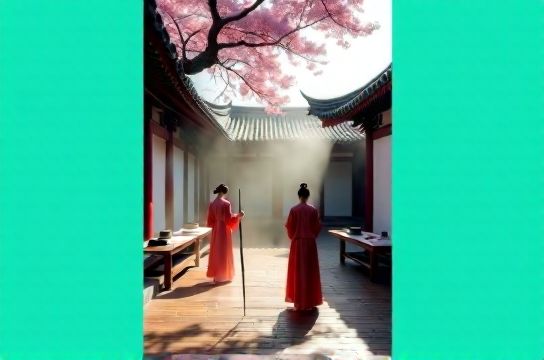
Chinese calligraphy, or shūfǎ (书法), isn’t just writing—it’s performance art. Every stroke carries energy, intention, and centuries of tradition. From bustling Beijing hutongs to serene temples in Hangzhou, cultural travel workshops are popping up that let travelers truly experience the craft, not just observe it.
Why Learn Calligraphy in China?
While you can take a Zoom class from home, nothing beats learning in the country where this art form evolved over 3,000 years. You’re not just copying characters—you’re connecting with history. According to UNESCO, traditional Chinese calligraphy was inscribed on the Intangible Cultural Heritage list in 2009, highlighting its global cultural significance.
Plus, studies show that practicing calligraphy reduces stress and improves focus—making it the ultimate mindful travel activity.
Top Cities for Authentic Calligraphy Workshops
Here’s where to go if you’re serious about learning:
| City | Workshop Focus | Avg. Duration | Price (USD) |
|---|---|---|---|
| Beijing | Imperial Script & History | 2–4 hours | $35–$60 |
| Hangzhou | Seal Script & Zen Aesthetics | Half-day | $50–$80 |
| Suzhou | Running Script & Garden Inspiration | Full-day | $70–$100 |
| Xian | Oracle Bone Script Origins | 3-hour session | $40–$65 |
Pro tip: Look for workshops hosted by local calligraphers or university art departments—they offer deeper insight than generic tourist classes.
What to Expect in a Workshop
No prior experience? No problem. Most beginner sessions start with the Four Treasures of the Study: brush, ink, paper, and inkstone. You’ll learn how to hold the brush properly (hint: it’s like holding a pen, but higher up), mix ink to the right consistency, and practice basic strokes before forming real characters.
Many workshops include a mini-lesson on the meaning behind each character—like writing “和” (harmony) or “静” (stillness)—tying language, philosophy, and art together.
Best Time to Go
Spring (March–May) and autumn (September–November) offer mild weather and fewer crowds. Bonus: Many cities host calligraphy festivals during these seasons. For example, the Suzhou Calligraphy Week in October features live demonstrations, artist meetups, and even calligraphy-themed tea ceremonies.
Final Thoughts
If you're looking for a meaningful, immersive way to connect with Chinese culture, learning calligraphy is a no-brainer. It’s meditative, artistic, and deeply human. Whether you spend an afternoon mastering a single character or complete a multi-day retreat, you’ll walk away with more than just a souvenir—you’ll carry a piece of China’s cultural heartbeat.
So pack your curiosity (and maybe loose-fitting sleeves—ink stains happen!). The brush is waiting.