
Explore China's UNESCO Sites with Deep Cultural Roots
- Date:
- Views:188
- Source:The Silk Road Echo
China isn’t just a country — it’s a living museum. With over 5,000 years of continuous civilization, it’s no wonder that the Middle Kingdom boasts 57 UNESCO World Heritage Sites (as of 2023), ranking second globally. From ancient palaces to mystical mountains, these spots aren’t just Instagram gold — they’re time capsules of philosophy, power, and perseverance.
Why China’s UNESCO Sites Are a Must-See
Whether you're into history, hiking, or just hunting for that perfect travel shot, China’s cultural heritage delivers. These sites blend natural beauty with human genius, showing how emperors, monks, and commoners shaped a civilization that still pulses today.
Let’s break down some of the heaviest hitters — the ones that’ll give you goosebumps and serious bragging rights.
The Heavy Hitters: Top 5 Cultural Gems
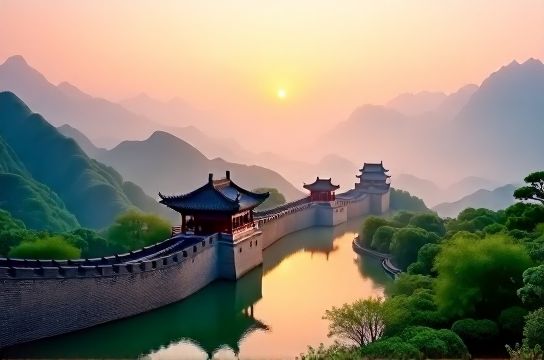
- The Great Wall – Stretching over 21,000 km, this beast isn’t just a wall; it’s a symbol of endurance. Built across centuries, mainly during the Ming Dynasty, it snakes across deserts, mountains, and time itself.
- The Forbidden City – Home to 24 emperors, this Beijing marvel housed imperial power for nearly 500 years. With 980 surviving buildings, it’s a masterclass in Feng Shui and dynastic drama.
- Mogao Caves (Dunhuang) – Also known as the 'Caves of a Thousand Buddhas,' these 492 decorated grottoes contain some of the finest Buddhist art spanning 1,000 years.
- Mount Taishan – A sacred mountain worshipped since 219 BC, it’s not just scenic — it’s spiritual. Emperors performed grand rituals here to legitimize their rule.
- Classical Gardens of Suzhou – Think tranquil ponds, delicate pavilions, and poetic layouts. These gardens influenced East Asian landscape design for centuries.
By the Numbers: A Snapshot of China’s Heritage
| Category | Number of Sites | Notable Examples |
|---|---|---|
| Cultural | 39 | Forbidden City, Lijiang Old Town |
| Natural | 14 | Zhangjiajie, Jiuzhaigou |
| Mixed (Cultural + Natural) | 4 | Mount Taishan, Mount Emei |
As you can see, culture dominates — and for good reason. These aren’t just old buildings; they’re blueprints of Chinese thought, from Confucian order to Daoist harmony.
Pro Travel Tips for Culture Hunters
- Timing is everything: Visit in spring (April–May) or autumn (September–October) for mild weather and fewer crowds.
- Book ahead: Places like the Forbidden City limit daily entries — get tickets online early.
- Hire a local guide: The stories behind murals, carvings, and courtyards? Priceless. A good guide brings them to life.
Exploring China’s UNESCO sites isn’t just sightseeing — it’s soul-stirring. You’re not walking through ruins; you’re walking through memory.