
Explore the Beauty of Ancient Towns China Heritage Sites
- Date:
- Views:228
- Source:The Silk Road Echo
Think China’s ancient towns are just old streets and stone bridges? Think again. These living relics are where history whispers through cobblestones, where tea houses buzz with stories centuries old, and where culture isn’t staged—it’s lived. From misty canals to Ming-dynasty rooftops, China’s heritage sites offer a journey not just through time, but into the soul of Chinese tradition.
Why Ancient Towns in China Are Worth Exploring
Over 300 well-preserved ancient towns dot China’s landscape, each radiating its own charm. According to UNESCO, more than 15 of these have been recognized as World Heritage Sites or part of larger cultural zones. Why? Because they’re not museums—they’re breathing communities where locals still weave silk, paddle wooden boats, and honor ancestral rituals.
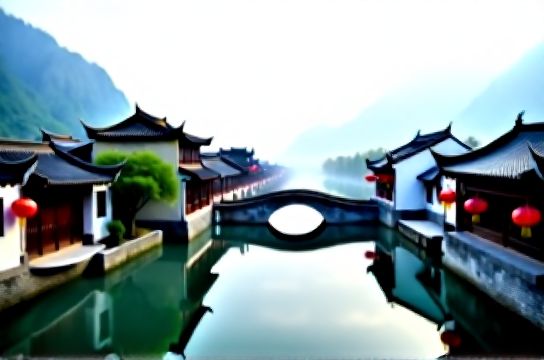
Take Zhouzhuang, often called the 'Venice of the East.' Nestled in Jiangsu Province, this water town dates back over 900 years. With 14 original stone bridges and canals weaving through 60% of the town, Zhouzhuang is a masterclass in harmonious design.
Top 3 Must-Visit Heritage Towns
| Town | Province | UNESCO Status | Year Founded | Annual Visitors (2023) |
|---|---|---|---|---|
| Lijiang Old Town | Yunnan | World Heritage Site (1997) | 1253 | 8.2 million |
| Zhouzhuang | Jiangsu | National Heritage Zone | 1086 | 5.7 million |
| Fenghuang Ancient Town | Hunan | Candidate Site | 1704 | 6.1 million |
Lijiang? It’s a dream. With Naxi culture at its core, you’ll hear Dongjing music echoing in alleyways and see intricate carvings on century-old wooden homes. Fenghuang, draped along the Tuojiang River, feels like stepping into a classical Chinese painting—especially at dawn, when fog hugs the stilted houses.
Pro Travel Tips for an Authentic Experience
- Go off-season: Visit between October and March to avoid crowds. Summer brings 30% more tourists—and higher prices.
- Stay local: Book a heritage guesthouse. In Lijiang, family-run inns cost $40–$70/night and include homemade breakfasts.
- Eat like a local: Try Xuansha bing (stone-ground sesame cakes) in Zhouzhuang or Stinky Tofu in Fenghuang—yes, it smells wild, but tastes amazing.
The Future of China’s Ancient Towns
With tourism booming, preservation is key. The Chinese government has invested over $1.2 billion since 2015 in restoration projects. Yet, balance is crucial—too much commercialization risks turning heritage into theme parks.
But here’s the good news: many towns now limit daily visitor caps and promote eco-tourism. Zhouzhuang, for example, uses electric boats to reduce pollution. Smart moves that keep the magic alive.
So whether you're chasing photogenic sunrises over canals or sipping aged pu’er tea in a courtyard built during the Song Dynasty, China’s ancient towns deliver depth, beauty, and real cultural connection. This isn’t just travel—it’s transformation.