
Journey Through China's Most Sacred UNESCO Locations
- Date:
- Views:257
- Source:The Silk Road Echo
China isn't just about skyscrapers and bustling cities — it’s a land where ancient spirituality meets breathtaking landscapes. From misty mountains to silent temples, these UNESCO World Heritage Sites aren’t just tourist spots; they’re living testaments to thousands of years of culture, faith, and harmony with nature. Let’s take a soul-stirring journey through some of China’s most sacred UNESCO locations — places that don’t just inspire awe but invite deep reflection.
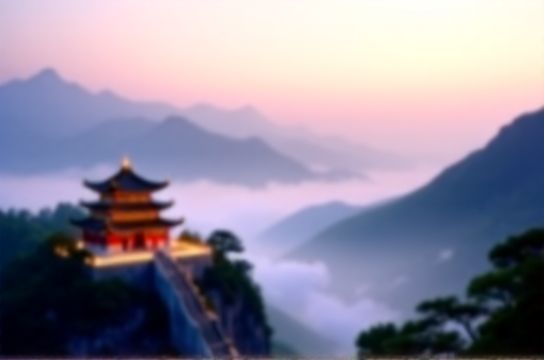
The Wutai Mountains: Where Heaven Meets Earth
Nestled in Shanxi Province, the Wutai Mountains are one of Buddhism’s Four Sacred Mountains. For over 1,600 years, pilgrims have trekked these five peaks, each representing a different Buddha. With 53 active temples still standing, this site blends natural beauty with spiritual depth. In 2009, UNESCO recognized it not only for its religious significance but also for its stunning biodiversity.
Sacred Mount Tai: The Emperor’s Stairway to Heaven
In Shandong Province lies Mount Tai, a mountain so revered that 72 emperors have performed sacred rituals here. Standing at 1,545 meters, it’s not the tallest, but spiritually? It’s off the charts. Designated a UNESCO site in 1987, Mount Tai symbolizes unity between man, heaven, and earth. Hiking the 7,000 stone steps at dawn to catch the sunrise is an experience that stays with you forever.
The Longmen Grottoes: Stone Scriptures of Devotion
In Henan Province, along the Yi River, the Longmen Grottoes house over 100,000 Buddhist statues carved into limestone cliffs. Created between the 5th and 8th centuries, these intricate carvings reflect devotion in stone. The largest statue, Vairocana Buddha, stands at 17 meters tall — serene, majestic, and impossible to forget.
| Site | Province | UNESCO Year | Key Feature |
|---|---|---|---|
| Wutai Mountains | Shanxi | 2009 | 5 Buddhist Peaks, 53 Temples |
| Mount Tai | Shandong | 1987 | Imperial Rituals, Sunrise View |
| Longmen Grottoes | Henan | 2000 | 100,000+ Statues |
| Dunhuang Mogao Caves | Gansu | 1987 | 492 Cave Temples |
Dunhuang’s Mogao Caves: The Library of the Silk Road
Buried in the Gobi Desert, the Mogao Caves are a time capsule of Buddhist art and Central Asian history. With 492 decorated caves filled with murals and manuscripts, this site was a spiritual oasis for Silk Road travelers. The discovery of the 'Library Cave' in 1900 revealed tens of thousands of ancient texts — some over 1,000 years old.
But here’s the real kicker: many of these sites are under quiet threat from tourism and climate change. UNESCO and Chinese authorities are working hard to preserve them, using digital scanning and visitor caps to protect their sanctity.
If you're planning a trip, aim for shoulder seasons (April–May or September–October). You’ll beat the crowds and witness these sacred spaces in their most peaceful light.
These aren’t just destinations — they’re invitations to slow down, look inward, and connect with something greater. Whether you're a spiritual seeker or a curious traveler, China’s sacred UNESCO sites offer a journey no guidebook can fully capture.