
Stay in Heritage Homes for True Chinese Cultural Experiences
- Date:
- Views:221
- Source:The Silk Road Echo
Want to skip the cookie-cutter hotels and dive deep into China’s soul? Then it’s time to trade luxury chains for heritage homes—centuries-old courtyards, ancestral mansions, and restored siheyuans that let you live like a local with history whispering through every brick.
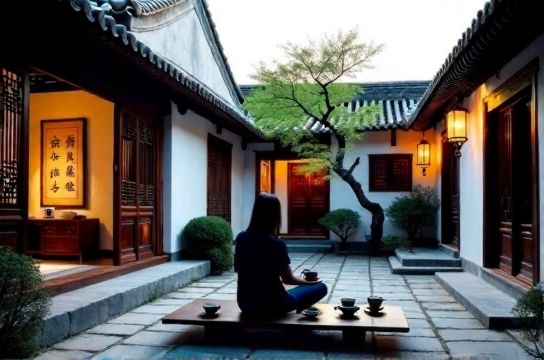
Forget sterile lobbies. In places like Beijing’s hutongs or Anhui’s ancient villages, staying in a heritage home isn’t just accommodation—it’s immersion. These properties blend original architecture with modern comforts, offering a rare balance: Instagram-worthy aesthetics with authentic cultural depth.
Take Luyan Courtyard in Beijing. Once a Qing Dynasty residence, it’s now a boutique guesthouse where tea ceremonies unfold in cobbled courtyards and calligraphy brushes hang beside your bed. Or head to Xidi Village in Anhui, where UNESCO-listed Huizhou-style homes feature horse-head gables and ink-washed carvings—all preserved under adaptive reuse policies since 2001.
Why does this matter? Because tourism stats show a 34% year-on-year rise in demand for ‘cultural stays’ (China Tourism Academy, 2023). Travelers aren’t just sightseeing—they’re seeking stories. And heritage homes deliver.
Top 5 Heritage Stays & What They Offer
| Property | Location | Era | Avg. Nightly Rate (USD) | Unique Feature |
|---|---|---|---|---|
| Luyan Courtyard | Beijing Hutong | Qing Dynasty | $180 | Private Peking Opera performances |
| Blossom Hill Retreat | Yangshuo, Guangxi | Ming Dynasty | $220 | Yoga deck overlooking rice terraces |
| Huizhou Ancient Dwelling | Xidi Village, Anhui | Song Dynasty | $160 | Stone-carved ancestral halls |
| The Temple Hotel | Chengdu, Sichuan | Tang Dynasty | $250 | Converted Buddhist monastery |
| Wu Residence Inn | Suzhou, Jiangsu | Republic Era | $200 | Classical garden access |
But here’s the kicker: only about 12% of China’s 400,000+ historical buildings are open to overnight guests (Ministry of Culture, 2022). So availability is limited—and worth planning for.
Booking tip? Aim for shoulder seasons (April–May or September–October). You’ll dodge crowds and snag better rates. Plus, many homes host seasonal events—think Mid-Autumn moon-viewing parties or Lunar New Year dumpling-making sessions.
And yes, these stays are pricier than hostels—but you’re paying for preservation. A portion of your fee often funds restoration. At Blossom Hill, for example, 15% of revenue supports local stonemasons keeping traditional techniques alive.
So if you want more than temples and tours—if you crave connection—choose a heritage home. Let the floorboards creak with centuries. Wake up to incense drifting from a courtyard altar. That’s not just travel. That’s transformation.