
Explore the Soul of China Through Its Living Traditions
- Date:
- Views:219
- Source:The Silk Road Echo
China isn’t just about skyscrapers and high-speed trains — beneath the modern surface pulses a vibrant, living culture that’s been centuries in the making. From dragon dances to tea ceremonies, traditional festivals to ancient crafts, the soul of China beats strongest in its living traditions. Want to experience the real Middle Kingdom? Let’s dive into the customs that breathe life into everyday moments.
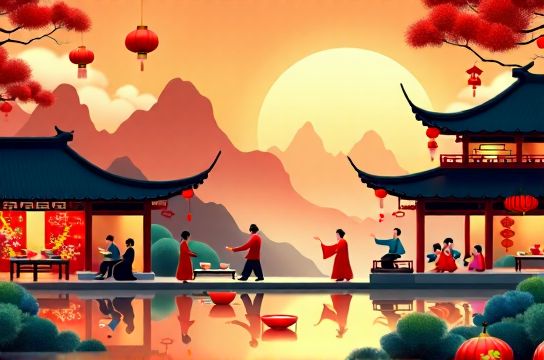
Why Living Traditions Matter
While history books capture the past, living traditions keep it alive. These aren’t museum pieces; they’re practices passed down through generations, still shaping how Chinese people live, celebrate, and connect. Whether it’s making dumplings during Lunar New Year or practicing tai chi at sunrise, these rituals offer a direct line to China’s cultural heartbeat.
Festivals That Define a Nation
No place celebrates like China. Major holidays are deeply rooted in agrarian rhythms, family values, and spiritual beliefs. Here’s a quick look at the big four:
| Festival | Time of Year | Key Traditions | Cultural Significance |
|---|---|---|---|
| Spring Festival (Chinese New Year) | Lunar January/February | Reunion dinners, red envelopes, fireworks | Welcoming prosperity, honoring ancestors |
| Mid-Autumn Festival | Lunar August | Mooncakes, lanterns, family gatherings | Harvest celebration, unity under the full moon |
| Dragon Boat Festival | Lunar May | Racing long boats, eating zongzi | Commemorating poet Qu Yuan, warding off evil |
| Qingming Festival | April 4–6 | Tomb sweeping, spring outings | Honoring ancestors, embracing renewal |
These aren’t just public holidays — they’re emotional anchors. During Spring Festival alone, over 3 billion trips are made as people return home. That’s the power of tradition.
Traditional Arts Still Thriving
Walk through a hutong in Beijing or a water town in Suzhou, and you might catch a glimpse of Peking opera, paper-cutting, or calligraphy in action. These art forms aren’t relics — they’re taught in schools and performed at community centers.
- Tea Culture: More than a drink, tea is a philosophy. The Gongfu Cha ceremony, especially in Fujian and Guangdong, turns brewing into meditation. Over 3 million tons of tea are produced annually in China — the world’s largest.
- Tai Chi & Martial Arts: Seen in parks at dawn, tai chi blends movement, breath, and mindfulness. UNESCO recognized it as Intangible Cultural Heritage in 2020.
- Embroidery & Ceramics: From Suzhou silk to Jingdezhen porcelain, craftsmanship remains a point of national pride.
How to Experience It Yourself
You don’t need to be born in China to take part. Travelers can join workshops, attend temple fairs, or even live with local families during festivals. Cities like Xi’an and Hangzhou offer immersive cultural tours — think calligraphy classes, dumpling-making sessions, or lion dance rehearsals.
Pro tip: Time your visit with a major festival. Not only will you see traditions in full swing, but you’ll feel the collective joy and reverence that defines Chinese culture.
The Takeaway
China’s living traditions are more than performances — they’re expressions of identity, resilience, and connection. To explore them is to understand the country not just with your eyes, but with your heart.