
Experience Silk Road History in Xi’an China
- Date:
- Views:201
- Source:The Silk Road Echo
Ready to time-travel? Buckle up, history lovers and wanderers — Xi’an, China isn’t just another city on the map. It’s where the legendary Silk Road began, a 13,000-kilometer web of trade, culture, and epic cross-continental exchanges that shaped civilizations. If ancient empires, warrior statues, and spiced street food float your boat, then Xi’an is your spiritual home.
Why Xi’an Was the Heart of the Silk Road
Back in 130 BCE, Emperor Wu of the Han Dynasty opened diplomatic routes to Central Asia, turning Xi’an (then called Chang’an) into the economic Silicon Valley of its day. As the eastern terminus of the Silk Road, it welcomed Persian merchants, Buddhist monks from India, and camel caravans loaded with silk, spices, jade, and ideas.
At its peak, Chang’an was the largest city in the world, housing over 1 million people — more than Rome and Constantinople combined. It was a true melting pot: 5% of residents were foreign traders, bringing languages, religions, and cuisines that still flavor the city today.
Top Historical Sites You Can’t Miss
No trip to Xi’an is complete without stepping into its layered past. Here are the must-see spots that scream ‘Silk Road glory’:
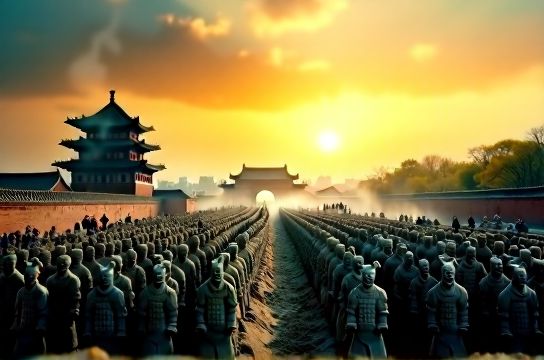
- 兵马俑 (Terracotta Warriors): Discovered in 1974 by farmers digging a well, this army of 8,000 life-sized clay soldiers guards Qin Shi Huang, China’s first emperor. Each face is unique — talk about craftsmanship!
- 大雁塔 (Giant Wild Goose Pagoda): Built in 652 AD, this Buddhist temple housed sacred scriptures brought from India by monk Xuanzang — a real-life Indiana Jones of his time.
- 西安城墙 (Xi’an City Wall): The most complete ancient city wall in China, stretching 14 km. Rent a bike and ride the perimeter for skyline views that blend old and new.
A Taste of the Silk Road: Food Adventures
The flavors of Xi’an tell a story too. Thanks to centuries of cultural fusion, the local cuisine — part of the larger Northwest Chinese style — packs a punch with cumin, chili, and lamb. Must-try dishes include:
- Roujiamo (“Chinese hamburger”): Slow-cooked meat stuffed in crispy flatbread.
- Biang Biang Noodles: Thick, slurp-worthy noodles tossed with veggies and chili oil.
- Yangrou Paomo: A hearty lamb stew where you crumble your own bread into the broth — fun and filling!
Quick Travel Guide: Plan Your Journey
Planning a visit? Here’s what you need to know at a glance:
| Feature | Details |
|---|---|
| Best Time to Visit | March–May & September–October (mild weather) |
| Avg. Temperature (Annual) | 13.4°C (56°F) |
| International Airport | Xi’an Xianyang International Airport (XIY) |
| Hotel Price Range (Mid-tier) | $60–$120/night |
| Entry Fee: Terracotta Army | 120 CNY (~$17 USD) |
Pro tip: Buy combo tickets online in advance to skip long lines — especially during Chinese holidays.
Final Thoughts
Xi’an isn’t just a stopover; it’s a journey into the soul of the Silk Road. From silent terracotta sentinels to bustling Muslim Quarter night markets, every corner whispers tales of adventure, exchange, and resilience. Whether you’re a history buff, foodie, or curious traveler, Xi’an delivers an unforgettable ride through time.
So pack your bags — the ancient world is waiting.