
Calligraphy and Contemplation: A Day in a Hangzhou Scholar’s Garden
- Date:
- Views:232
- Source:The Silk Road Echo
Ever wondered what it feels like to step into a living painting? Imagine winding paths, whispering willows, and the soft scratch of a brush on rice paper. Welcome to a day in the life of a Hangzhou scholar’s garden—where ink, nature, and quiet thought come together in perfect harmony.
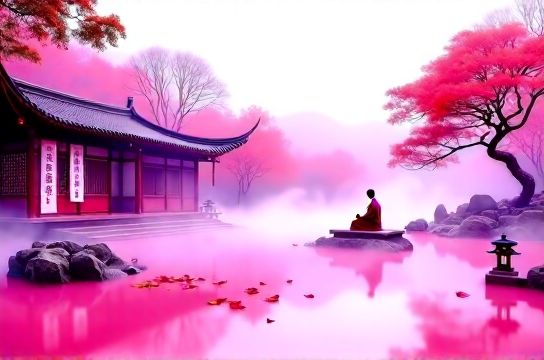
Tucked away behind moss-covered walls in the heart of Hangzhou, these classical gardens aren’t just pretty spaces—they’re poetic expressions of balance, philosophy, and artistry. And if you’ve ever needed a reason to slow down, this is it.
Morning light filters through lattice windows as an old scholar dips his brush into ink. No rush. No notifications. Just the rhythm of calligraphy—the kind that doesn’t just write words but breathes them into existence. Each stroke on paper echoes the curves of the garden: flowing like a stream, sharp like a bamboo stalk, balanced like a perfectly placed rock.
That’s the magic of these scholar’s gardens. They weren’t built for show. They were designed for contemplation. Every pond reflects more than clouds—it mirrors the mind. Every zigzag bridge isn’t just cute—it’s a metaphor for life’s unpredictable path. Even the placement of a single plum tree speaks volumes about resilience and quiet beauty.
Hangzhou, long celebrated for its West Lake and tea fields, hides another treasure in plain sight: the scholar’s retreat. Inspired by Tang and Song dynasty ideals, these gardens blend architecture with nature in a way that feels almost spiritual. Think winding corridors that frame views like living paintings, or moon gates that invite you to pause and pass through—literally and symbolically.
But here’s the real secret: you don’t have to be a poet or philosopher to get it. Spend an hour here, and you’ll start noticing things—how sunlight dances on water, how silence has texture, how writing a single Chinese character can feel like meditation.
And yes, calligraphy is still alive in these corners. Locals—some young, some grey-haired—gather in pavilions to practice their scripts. Not for Instagram. Not for likes. For the joy of it. For the discipline. For the connection to centuries of thinkers who believed that a steady hand could calm a restless mind.
Visiting one of these gardens isn’t just a sightseeing stop. It’s a reset button. No crowds, no noise—just space to think, breathe, and maybe even write a line or two yourself.
So next time you’re in Hangzhou, skip the usual tourist loop for a few hours. Find a quiet garden, sit by a koi pond, and let the stillness speak. You might not leave with a masterpiece, but you’ll definitely leave with a clearer head—and maybe a deeper appreciation for the art of doing nothing, beautifully.