
Join a Tea Ceremony in China's Most Sacred Mountains
- Date:
- Views:211
- Source:The Silk Road Echo
Ever dreamed of sipping fresh oolong tea while sitting on a misty mountain peak, surrounded by ancient temples and whispering pines? Welcome to the spiritual heart of Chinese tea culture — the sacred mountains where tea, tradition, and tranquility blend like the perfect brew.
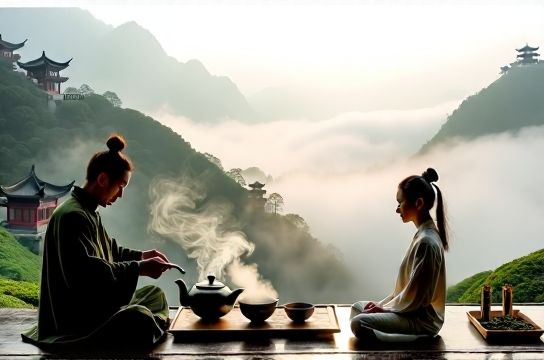
From the emerald slopes of Mount Wuyi in Fujian to the cloud-kissed ridges of Emei in Sichuan, China’s most revered peaks aren’t just pilgrimage sites — they’re living tea farms with centuries-old rituals. And yes, you can join a real tea ceremony right where it all began.
Why Sacred Mountains?
These high-altitude regions offer the ideal mix of fog, soil, and serenity — creating some of the world’s most prized teas. The slow growth at elevation intensifies flavor, and the Buddhist and Taoist monasteries perched on these cliffs have been cultivating and meditating with tea for over 1,000 years.
Top 3 Sacred Mountains for Tea Ceremonies
| Mountain | Famous Tea | Elevation (m) | Best Season | Ceremony Access |
|---|---|---|---|---|
| Mount Wuyi (Fujian) | Daan Rock Oolong | 600–1,200 | Spring & Autumn | Monastery-led sessions |
| Mount Emei (Sichuan) | Emei Mao Feng | 800–1,500 | Spring | Tea houses near temple paths |
| Mount Huang (Anhui) | Huangshan Maofeng | 700–1,200 | Spring | Local farmer experiences |
If you're chasing depth, go to Mount Wuyi. It’s the birthplace of rock-oolong tea (Yancha), where tea bushes grow in mineral-rich crevices between sheer cliffs. Monks here still follow the gongfu cha method — small pots, multiple steepings, each cup revealing new layers of roasted nut, orchid, and stone fruit notes.
What to Expect in a Traditional Ceremony
- Setting: Usually in a wooden pavilion or temple courtyard, often overlooking endless tea terraces.
- Duration: 45 minutes to 2 hours — this isn’t a quick photo op.
- Ritual Steps: Rinsing utensils, warming the pot, smelling the leaves, three ceremonial pours, silent sipping.
- Participation: You’ll be guided gently — no prior knowledge needed, just an open mind.
Pro tip: Many ceremonies include a tea blessing or short meditation, especially if hosted by monks. Bring a small offering (like fruit) as a sign of respect — it’s not required, but appreciated.
How to Book a Genuine Experience
Avoid tourist traps by going through eco-tea farms or cultural homestays. Platforms like China Roots or Tea Trekking connect travelers with local tea masters. Expect to pay between $30–$60 USD, which often includes tea tasting and a take-home sample.
Or better yet — time your visit with a festival. The Wuyi Tea Culture Festival (April) features master duels, tea-picking contests, and overnight temple stays. It’s spiritual, social, and seriously delicious.
Final Sip
Joining a tea ceremony in one of China’s sacred mountains isn’t just about drinking tea — it’s about slowing down, tuning in, and tasting history. Whether you're a seasoned tea lover or a curious traveler, this experience lingers long after the last drop.
So pack light, breathe deep, and let the mountains steep your soul.