
Explore Dunhuang's Caves and Desert Cultural Legacy
- Date:
- Views:204
- Source:The Silk Road Echo
When it comes to ancient Silk Road magic, few places hit quite like Dunhuang. Nestled on the edge of the Gobi Desert in China’s Gansu Province, this cultural gem is where East met West for over a thousand years. Think of it as the ultimate desert library — except instead of books, you’ve got hundreds of hand-carved caves filled with Buddhist art, scriptures, and stories whispering from the walls.
Why Dunhuang Should Be on Your Bucket List
Dunhuang isn’t just another historical site — it’s a time machine. For centuries, traders, monks, and travelers stopped here before braving the harsh Taklamakan Desert. And what did they leave behind? A breathtaking fusion of art, religion, and cross-cultural exchange.
The star of the show? The Mogao Caves, also known as the Thousand Buddha Grottoes. With over 735 caves and nearly 45,000 square meters of frescoes, it’s one of the world’s most significant repositories of Buddhist art. Some murals date back to the 4th century — that’s older than your grandma’s grandma… times a hundred.
Mogao Caves: Art, History, and Hidden Secrets
These caves were carved into the cliff face above the Dachuan River, and each chamber tells a story. From celestial dancers to vivid Jataka tales (stories of Buddha’s past lives), the artwork blends Chinese, Indian, Persian, and even Greek influences.
But here’s the kicker: In 1900, a Taoist monk named Wang Yuanlu discovered the Library Cave — sealed for centuries and packed with 50,000+ manuscripts. Texts in Sanskrit, Tibetan, Uighur, and even Hebrew were found. Talk about a plot twist!
| Feature | Detail |
|---|---|
| Total Caves | 735 |
| Fresco Area | 45,000 m² |
| Statues | Over 2,000 |
| Oldest Cave | 366 AD |
| UNESCO World Heritage Site | 1987 |
Adventure Beyond the Caves
Once you’ve soaked in the spiritual vibes of Mogao, it’s time to embrace the desert. Just 25 km south lies Crescent Lake and Singing Sands — a surreal oasis surrounded by towering dunes. Legend says the sands sing when the wind blows. Spoiler: They kinda do — more like a low hum, but still epic.
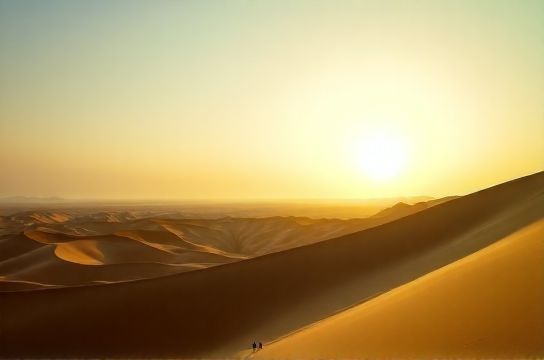
Want adrenaline? Try camel trekking at dawn or sandboarding down 100-meter dunes. And if you’re into photography, sunrise over the dunes paints the sky in hues of gold and rose — pure Instagram gold.
Travel Tips for a Smooth Journey
- Best Time to Visit: April–June or September–October (avoid July/August heat!)
- How to Get There: Fly into Dunhuang Airport or take a train from Lanzhou or Urumqi.
- Guided Tours: Highly recommended — many caves are closed to the public, and guides share juicy historical tidbits.
- Respect the Rules: No photos inside the caves. Flashlight = big no-no. These paintings are delicate!
Dunhuang isn’t just a destination — it’s a deep dive into history, spirituality, and raw natural beauty. Whether you're a culture junkie, adventure seeker, or just chasing that next awe moment, this desert jewel delivers.
So pack your hat, charge your camera (but remember: no pics in the caves!), and get ready to walk where empires once traded dreams along the Silk Road.