
Participate in Temple Fairs During Traditional Festivals China
- Date:
- Views:250
- Source:The Silk Road Echo
If you're craving a true taste of Chinese culture, there's no better way than diving into the vibrant chaos of a traditional temple fair. Think of it as China's version of a county fair—only with more dumplings, dragon dances, and ancient traditions packed into every corner.
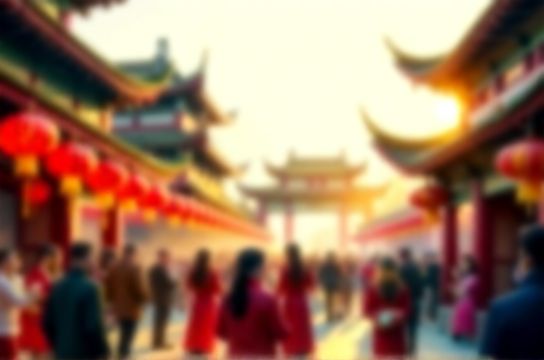
Temple fairs, or miao hui (庙会), pop up during major festivals like Spring Festival, Lantern Festival, and Mid-Autumn Festival. They’re not just tourist attractions—they’re living cultural carnivals where history, food, music, and spirituality collide.
Take Beijing’s Ditan Temple Fair, for example. Held annually at the Temple of Earth, it draws over 1.5 million visitors each Lunar New Year. That’s not just impressive—it’s a full-on cultural phenomenon. And it’s not alone. Cities across China host their own versions, each with unique flavors and flair.
Why Temple Fairs Matter
These aren’t just food markets with red lanterns. Temple fairs date back over a thousand years to the Tang and Song dynasties. Originally religious events centered around temple worship, they’ve evolved into community celebrations blending folklore, commerce, and performance.
Today, they serve as cultural time capsules. You’ll see Peking opera snippets, shadow puppetry, sugar painting artists crafting dragons from syrup, and elders playing traditional board games under bamboo shades. It’s heritage with a side of fun.
Top Temple Fairs to Experience
Not all temple fairs are created equal. Here are three must-visit fairs that deliver maximum culture and flavor:
| Fair Name | Location | Best Time to Visit | Visitor Count (Annual) |
|---|---|---|---|
| Ditan Temple Fair | Beijing | Lunar New Year | 1.5M+ |
| Chenghuangmiao Fair | Shanghai | Lantern Festival | 800K+ |
| Changchun Park Fair | Xian | Mid-Autumn Festival | 600K+ |
Pro tip: Go early. The crowds peak around noon, but mornings offer better photo ops and shorter lines for snacks like jianbing (savory crepes) and candied hawthorn skewers.
What to Eat (Yes, This Is Important)
Let’s be real—half the reason people go is for the food. Temple fairs are street food paradise. From steaming buns to fried scorpions (yes, really), your taste buds won’t know what hit them.
- Bingtanghulu – Candied fruit on a stick, usually hawthorn. Sweet, crunchy, iconic.
- Yangrou Chuan – Spicy lamb skewers, grilled fresh. A northern favorite.
- Niángāo – Sticky rice cake, symbolizing prosperity. Often served fried or steamed.
Final Thoughts
Visiting a temple fair isn’t just sightseeing—it’s stepping into the heartbeat of Chinese tradition. Whether you're watching a lion dance under firecracker smoke or bargaining for handmade calligraphy, you’re part of something centuries old.
So next time you’re in China during a festival? Skip the mall. Follow the smell of sizzling skewers and the sound of gongs. That’s where the magic happens.