
Follow the Footsteps of Emperors at UNESCO Sites China Palaces
- Date:
- Views:241
- Source:The Silk Road Echo
Ever dreamed of walking through halls where emperors once plotted dynasties and concubines whispered secrets behind golden screens? Well, pack your curiosity—China’s UNESCO-listed imperial palaces are not just stone and timber; they’re time machines. From the Forbidden City’s jaw-dropping scale to the serene elegance of the Chengde Mountain Resort, these palatial wonders blend history, artistry, and cosmic philosophy into one unforgettable journey.
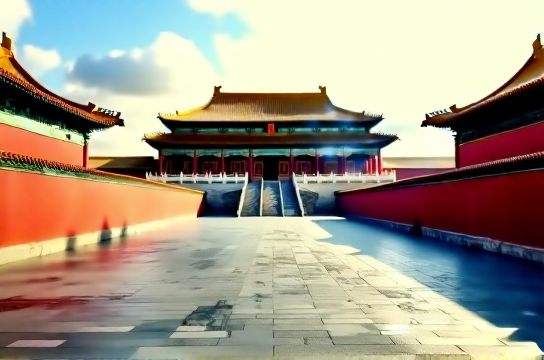
The crown jewel? Beijing’s Forbidden City, home to 24 Ming and Qing emperors over nearly 500 years. Built in 1420, this colossal complex spans 180 acres with 980 surviving buildings—that’s enough floor space to get gloriously lost in. And get this: it was off-limits to commoners for centuries. Talk about VIP access!
But don’t stop there. Venture north to Chengde, where emperors escaped summer heat in a sprawling retreat blending Han, Tibetan, and Mongolian architecture. Or explore the Imperial Palace of the Ming and Qing Dynasties sites scattered across Shenyang and Beijing—yes, it’s a shared UNESCO designation, recognizing their joint cultural weight.
Here’s a quick peek at what makes these palaces legendary:
| Palace Site | Location | UNESCO Year | Key Features | Visitor Stats (Annual) |
|---|---|---|---|---|
| Forbidden City | Beijing | 1987 | 9,000+ rooms, yellow-glazed tiles, Feng Shui mastery | ~17 million |
| Chengde Mountain Resort | Hebei Province | 1994 | Largest imperial garden in China, 8 temples nearby | ~3.5 million |
| Shenyang Imperial Palace | Shenyang | 2004 (extension) | Manchu architectural flair, early Qing power base | ~2.1 million |
Why do these places rock UNESCO status? Simple: they’re physical storytellers. The Forbidden City’s north-south axis mirrors cosmic order. Chengde’s lakes and pavilions reflect Daoist ideals of harmony. Every beam, color, and compass point was chosen with ritual precision.
Pro tip: visit early morning to beat crowds and catch the marble courtyards bathed in soft light. And download a solid audio guide—these walls have *stories*. Imagine Empress Dowager Cixi pulling strings from her chambers or Emperor Kangxi hosting Mongol princes at Chengde. Chills, right?
Photographers, rejoice! Sunrise at the Meridian Gate or mist curling over Kunming Lake offers frame-worthy magic. Just remember: no drones inside UNESCO zones (sorry, TikTok dreams).
In a world of fast travel, these palaces invite slow wonder. They’re not just relics—they’re living testaments to how power, beauty, and belief shaped a civilization. So step lightly, look closely, and let the echoes of empire whisper in your ear.