
Journey Through China's UNESCO World Heritage Landmarks
- Date:
- Views:223
- Source:The Silk Road Echo
China is like that one friend who’s got *all* the bragging rights—ancient history, jaw-dropping landscapes, and culture so deep it makes your head spin. With over 50 UNESCO World Heritage Sites, it’s basically a treasure map for travelers craving authenticity, awe, and a serious dose of wanderlust. So buckle up—we’re diving into some of the most iconic landmarks that define the soul of this incredible country.
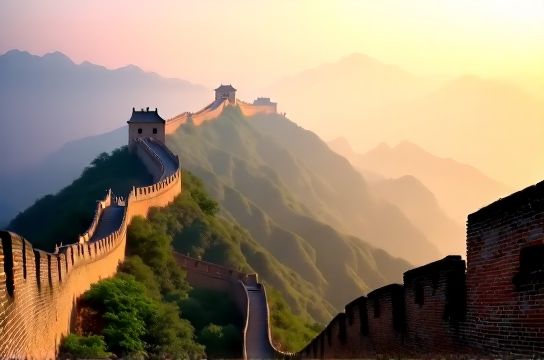
The Great Wall: More Than Just Bricks and Mortar
You’ve seen it in movies, on postcards, maybe even in dreams. But standing on the Great Wall of China—especially at Mutianyu or Jinshanling—is a whole different vibe. Stretching over 21,000 kilometers, this beast was built across centuries to protect empires. And yes, you can actually walk where emperors once strategized.
Fun fact? It’s not a single wall but a network of fortifications. Most tourists hit Badaling—it’s polished, accessible, but packed. For a quieter hike with epic views, go for Jiankou or Gubeikou.
The Forbidden City: Imperial Glam on Steroids
Situated in the heart of Beijing, the Forbidden City isn’t just a palace—it’s a city within a city. Home to 24 Ming and Qing dynasty emperors, this 180-acre complex has 980 surviving buildings and enough golden roofs to make Midas jealous.
Pro tip: Visit early morning to beat the crowds and catch the sunlight dancing off the yellow-glazed tiles. And don’t miss the Imperial Garden—it’s the original Zen space.
Xi’an’s Terracotta Army: When an Emperor Took His Security Squad to the Afterlife
Discovered in 1974 by farmers digging a well, the Terracotta Warriors are straight-up mind-blowing. Over 8,000 life-sized soldiers, each with unique facial features, were buried with Qin Shi Huang around 210 BCE to guard him in the afterlife.
Here’s a quick snapshot of what you’ll see:
| Pit | What’s Inside | Number of Figures |
|---|---|---|
| 1 | Main infantry formation | 6,000+ |
| 2 | Command center with cavalry | 1,400 |
| 3 | Command post (best-preserved) | 70 |
It’s eerie, majestic, and totally worth the trip to Xi’an.
Jiuzhaigou Valley: Nature’s Paint Palette
If you think all national parks look the same, Jiuzhaigou in Sichuan will slap you awake. Think turquoise lakes, waterfalls that belong in fantasy films, and forests that change color like mood rings. This valley is home to rare species like the giant panda and snub-nosed monkey.
Declared a UNESCO site in 1992, Jiuzhaigou gets about 2 million visitors annually—but thanks to smart tourism limits, it still feels untouched.
Final Thoughts: Why These Sites Matter
These landmarks aren’t just photo ops—they’re living chapters of human history. From imperial ambition to spiritual harmony with nature, China’s UNESCO sites tell stories that echo across time.
Whether you're strolling through ancient courtyards or hiking beside emerald lakes, you’re not just traveling—you’re connecting.