
Celebrate Spring Festival in a Northern Chinese Village
- Date:
- Views:234
- Source:The Silk Road Echo
If you've ever dreamed of experiencing the real Chinese New Year—away from neon-lit cityscapes and tourist traps—a rural village in northern China is where the magic happens. Think steaming dumplings, firecrackers under starry skies, and red lanterns swaying in the winter wind. This isn’t just a holiday; it’s a centuries-old cultural heartbeat.
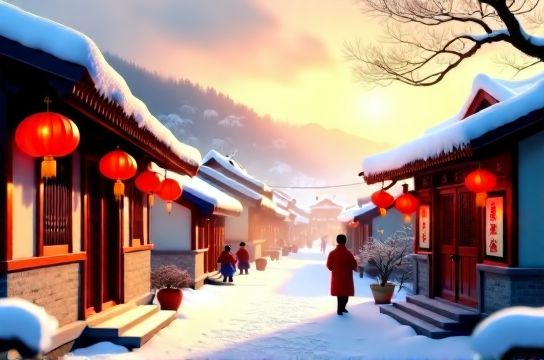
Why a Northern Village?
While cities like Beijing or Shanghai put on dazzling shows, the soul of the Spring Festival lives in the countryside. In villages across Hebei, Shanxi, or Shandong provinces, traditions run deep. Families reunite for days—not hours. Elders hand out red envelopes with blessings, not just cash. And yes, everyone eats way too many jiaozi (dumplings).
According to China’s Ministry of Culture and Tourism, over 70% of rural households maintain full traditional celebrations, compared to just 35% in urban areas. That’s authenticity you can taste.
What to Expect: A Cultural Feast
- Daily Rituals: From cleaning homes to ward off bad luck, to pasting upside-down "Fu" characters symbolizing good fortune arriving.
- Family Feasts: The reunion dinner on Lunar Eve is sacred. Expect eight+ courses, including fish (for abundance) and glutinous rice cakes (niangao) for prosperity.
- Folk Performances: Locals dress as dragons and lions, dancing through snow-dusted streets. In some villages, you’ll catch errenzhuan, a lively folk opera unique to the north.
Insider Tips for Travelers
Going rural means no English signs and limited Wi-Fi—but that’s part of the charm. Here’s how to blend in:
- Learn a few phrases: “Gong xi fa cai” (Happy New Year) and “Xie xie” (Thank you) go a long way.
- Bring small gifts: Sweets or tea for your host family show respect.
- Dress warm: January temps hover around -10°C (14°F). Layers are non-negotiable.
Spring Festival Snapshot: Rural vs. Urban
| Aspect | Rural Village | Major City |
|---|---|---|
| Average Dumplings Eaten per Family | 120+ | ~60 |
| Firecracker Usage | High (entire night) | Restricted (designated zones) |
| Traditional Costume Worn | Common (especially elders) | Rare (mostly photo ops) |
| Duration of Celebrations | 15 days (full Lantern Festival) | 3–5 days (public holidays) |
This table? It’s not just data—it’s a window into how deeply tradition roots in the north. Villagers don’t just celebrate the festival; they live it.
Final Thoughts: More Than a Trip
Spending Spring Festival in a northern Chinese village isn’t about ticking boxes. It’s about sharing a meal with a grandma who’s been making dumplings since 1958. It’s hearing fireworks echo across silent fields at midnight. It’s understanding that culture isn’t performed—it’s passed down.
So if you’re craving something real, something raw, and yes, something delicious—pack your warmest coat and head north. The heart of Chinese New Year beats strongest in the snow-covered villages where time slows, and tradition reigns.