
Enjoy Deep Cultural Travel Across China's Heritage Towns
- Date:
- Views:227
- Source:The Silk Road Echo
Think China’s only about skyscrapers and bullet trains? Think again. Beyond the neon lights and high-speed hustle lies a quieter, soul-stirring side — ancient heritage towns where time slows, cobblestones whisper stories, and culture breathes through every carved doorway.
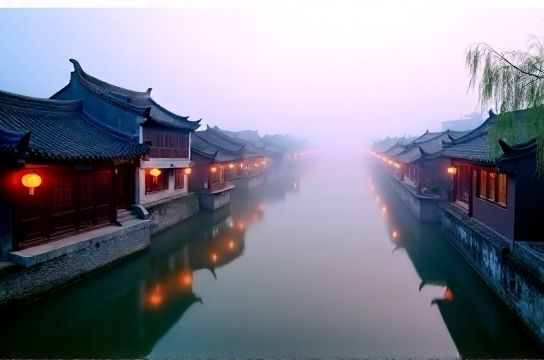
If you’re craving authentic experiences over Instagram check-ins, it’s time to dive into China’s cultural heartland. We’re talking misty water villages, Ming-dynasty courtyards, and centuries-old traditions still alive today. Welcome to deep cultural travel — the real China.
Why Heritage Towns?
These aren’t just pretty backdrops. They’re living museums. According to UNESCO, China boasts 56 World Heritage Sites, with dozens of protected historic towns under national conservation. But more than numbers, it’s about connection — tasting handmade dumplings from a 70-year-old vendor, watching shadow puppetry passed down three generations, or drifting down canals in a wooden boat rowed by foot.
Top 4 Heritage Towns You Can’t Miss
- Zhouzhuang (Jiangsu): The 'Venice of the East' with 900 years of history.
- Lijiang (Yunnan): A Naxi ethnic treasure nestled in Himalayan foothills.
- Tongli (Jiangsu): Serene canals, scholar gardens, and poetic vibes.
- Langzhong (Sichuan): Feng shui city layout, preserved since the Han Dynasty.
Quick Snapshot: Compare at a Glance
| Town | Province | Best For | Avg. Temp (°C) | UNESCO Status |
|---|---|---|---|---|
| Zhouzhuang | Jiangsu | Water town charm | 16°C (Spring) | Part of Grand Canal WHS |
| Lijiang | Yunnan | Minority culture | 13°C (Year-round) | World Heritage Site |
| Tongli | Jiangsu | Poetry & gardens | 18°C (Autumn) | National Historic Town |
| Langzhong | Sichuan | Feng shui & food | 17°C (Mild climate) | National Historic Town |
Cultural Gems Hidden in Plain Sight
In Lijiang, don’t miss the Baisha Murals — Buddhist art blended with Tibetan and Han styles, dating back to the 14th century. In Zhouzhuang, walk the Shen House, a merchant mansion with secret passages and ancestral altars. Tongli’s Ruoxu Garden is a masterpiece of Ming-era landscape design, where every rock and pond has symbolic meaning.
And Langzhong? Try the zhangcha duck — tea-smoked and fall-off-the-bone tender — then wander its maze-like alleys aligned perfectly with mountain and river flow, as feng shui demands.
Travel Tips for Meaningful Exploration
- Go slow: Spend at least one night. Mornings and evenings reveal local life.
- Engage respectfully: Ask before photographing residents, especially elders.
- Support artisans: Buy handwoven textiles or calligraphy brushes directly from makers.
- Visit off-season: April or October avoids crowds and keeps prices fair.
China’s heritage towns aren’t frozen in time — they’re evolving with grace. By traveling mindfully, you don’t just see culture. You become part of its story.