
Explore UNESCO Sites China for Deep Cultural Travel
- Date:
- Views:169
- Source:The Silk Road Echo
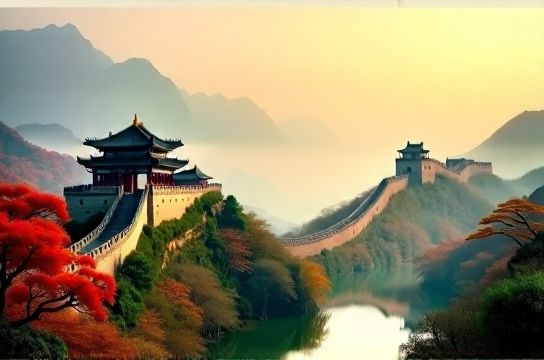
China isn't just about skyscrapers and high-speed trains — it's a living museum of human civilization. With 57 UNESCO World Heritage Sites (as of 2024), China ranks second globally, offering travelers a golden ticket to walk through millennia of history, philosophy, and artistry. From the Great Wall snaking across northern mountains to the serene elegance of Suzhou’s classical gardens, these sites aren’t just photo ops — they’re soul-stirring journeys into the heart of Chinese culture.
Why UNESCO Sites in China?
Forget cookie-cutter tourism. Visiting UNESCO spots in China means stepping into stories carved in stone, ink, and tradition. These locations are recognized not just for beauty, but for their Outstanding Universal Value — a fancy way of saying: 'This changed humanity’s story.'
Whether you're a history nerd, a photography lover, or just chasing that deep cultural glow, these sites deliver. And guess what? Many are still under the radar for Western tourists. That means fewer crowds and more authentic moments.
Top 5 Must-Visit UNESCO Sites in China
Let’s cut through the noise. Here are five crown jewels you can’t miss — each with its own vibe and legacy.
- The Great Wall (1987) – Yes, it’s iconic. But walking the Mutianyu or Jinshanling sections at sunrise? That’s magic. Stretching over 21,000 km, this isn’t one wall — it’s a network built across centuries.
- Forbidden City, Beijing (1987) – Home to 24 emperors, this palace complex is Ming and Qing dynasty royalty in architectural form. Pro tip: Visit early. The light on the golden roofs? Chef’s kiss.
- Mount Huangshan (1990) – Known as "the loveliest mountain of China," its granite peaks inspired centuries of Chinese painting and poetry. Hike or take the cable car — either way, prepare for jaw drops.
- Suzhou Gardens (1997) – Nine classical gardens make up this listing. Think winding paths, lotus ponds, and pavilions where scholars once meditated. It’s Zen meets design genius.
- Chengdu Panda Sanctuaries (2006) – Okay, not ancient history — but vital living heritage. Home to over 30% of the world’s wild giant pandas, this site blends conservation with breathtaking Sichuan landscapes.
UNESCO Gems by the Numbers
Numbers don’t lie. Here’s a snapshot of China’s UNESCO power:
| Category | Number of Sites | Notable Examples |
|---|---|---|
| Cultural | 39 | Great Wall, Terracotta Army, Lhasa Potala Palace |
| Natural | 14 | Zhangjiajie, Jiuzhaigou Valley, South China Karst |
| Mixed (Cultural + Natural) | 4 | Mount Tai, Mount Emei, Wuyi Mountains |
Fun fact: China adds roughly one new site every two years. Keep your eyes peeled — places like the Maritime Silk Road relics could be next.
Tips for Deep Cultural Travel
- Go slow: Spend a full day at the Forbidden City, not two hours.
- Hire local guides: Their stories add layers Google can’t match.
- Visit off-season: October or April beats summer crowds.
- Respect rituals: Bow slightly at temples; don’t touch ancient murals.
Exploring UNESCO sites in China isn’t about ticking boxes. It’s about feeling the weight of time, the breath of tradition, and the quiet pride of a culture that shaped the world. So pack curiosity, not just luggage. Your deep dive into China starts now.