
Traditional Festivals China That Define a Nation
- Date:
- Views:242
- Source:The Silk Road Echo
If you've ever wondered what makes Chinese culture so rich and deeply rooted, look no further than its traditional festivals. These aren't just dates on a calendar — they're living stories, centuries old, that pulse through the veins of over a billion people. From dragon dances to mooncakes, fireworks to family reunions, China's festivals are a dazzling blend of history, emotion, and flavor.
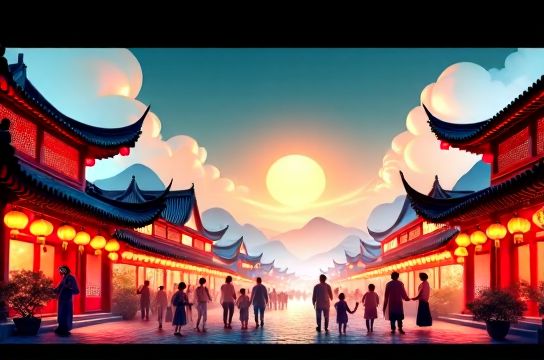
The Big Five: China’s Most Celebrated Traditional Festivals
While China recognizes dozens of ethnic celebrations, five stand out as cultural cornerstones. Each one reflects values like harmony, respect for ancestors, and the rhythm of nature.
| Festival | Time (Lunar Calendar) | Duration | Key Traditions | Fun Fact |
|---|---|---|---|---|
| Spring Festival (Chinese New Year) | 1st day of 1st lunar month | 7–15 days | Red envelopes, dumplings, firecrackers | Largest human migration on Earth (~3 billion trips) |
| Mid-Autumn Festival | 15th day of 8th lunar month | 1–3 days | Mooncakes, lanterns, family reunion | Mooncakes once hid rebellion messages in Yuan Dynasty |
| Dragon Boat Festival | 5th day of 5th lunar month | 1 day | Racing boats, eating zongzi | Honors poet Qu Yuan; UNESCO Intangible Heritage |
| Qingming Festival (Tomb-Sweeping Day) | April 4–6 (Solar Gregorian) | 1 day | Cleaning graves, ancestor worship | Also marks spring plowing season |
| Lantern Festival | 15th day of 1st lunar month | 1 night | Lantern displays, riddles, tangyuan | Ends the Spring Festival celebrations |
Why These Festivals Matter Today
In modern China, these festivals do more than preserve tradition — they strengthen national identity. Even in megacities like Shanghai or Shenzhen, office workers rush home for Spring Festival. Families save months to buy premium mooncakes. And during Dragon Boat races, entire villages cheer like it's the Olympics.
But it’s not all nostalgia. The government actively promotes these festivals as part of cultural soft power. In 2008, Qingming, Dragon Boat, and Mid-Autumn became official public holidays — a clear signal: tradition matters.
More Than Just Fun: The Hidden Meanings
Take the humble zongzi — sticky rice wrapped in bamboo leaves. It’s not just tasty. It symbolizes the rice bundles thrown into the river to keep fish from Qu Yuan’s body. Every bite is a lesson in loyalty and loss.
Likewise, the round shape of mooncakes isn’t random. It represents completeness and unity — perfect for a festival about family reunion under one moon.
Travel Tip: When to Experience Them Live
Want to witness the magic? Plan ahead! Here’s when to go:
- January/February: Chinese New Year — best in Beijing or Xi’an
- June: Dragon Boat races — try Hong Kong or Hangzhou
- September/October: Mid-Autumn Festival — visit Suzhou’s classical gardens with lanterns
Just remember: book flights and hotels early. These events draw millions.
Final Thought: A Culture That Celebrates Together
China’s traditional festivals aren’t just about rituals — they’re about connection. Whether honoring ancestors or sharing a mooncake, these moments bind generations. In a fast-moving world, they remind us that some things — like family, memory, and meaning — never go out of style.