
Travel Deep into China's Living Cultural Traditions
- Date:
- Views:215
- Source:The Silk Road Echo
Want to skip the tourist traps and dive into the real soul of China? Think beyond the Great Wall and panda selfies—China’s true magic lives in its living cultural traditions. From ancient villages echoing with folk songs to remote mountain festivals passed down for centuries, these are not museum pieces—they’re alive, breathing, and waiting for curious travelers like you.
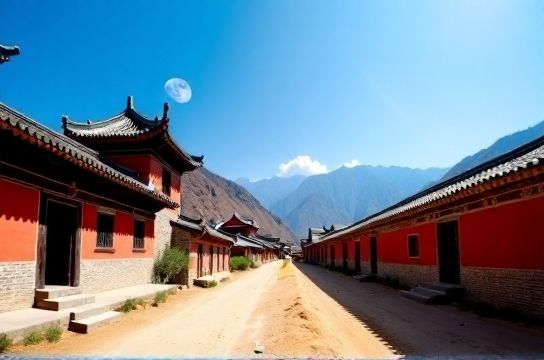
Why Living Culture Beats Sightseeing
Let’s be real: anyone can snap a photo at Tiananmen Square. But imagine joining a Dong族 (Dong) village choir singing their legendary polyphonic folk tunes, or learning paper-cutting from a master in Shaanxi whose family has practiced it for generations. That’s travel with depth. According to China’s Ministry of Culture, over 1,500 intangible cultural heritage items are officially recognized—and less than 30% are widely known to tourists.
Top 4 Experiences You Won’t Find on Group Tours
- Dong Choir Nights in Zhaoxing, Guizhou: The Dong people’s ‘Grand Song’ is UNESCO-listed. Locals sing without a conductor—harmonies emerge naturally. Stay overnight in a wooden stilt house and join the evening chorus.
- Yi Ethnic Torch Festival (July/August): In Liangshan, Sichuan, thousands light torches to ward off evil spirits. Dance around bonfires, taste buckwheat wine, and witness horseback archery.
- Paper-Cutting Masters in Yan’an: Meet artisans who cut intricate stories into red paper by hand. One master can complete a 50cm piece in under 2 hours—with no sketch!
- Tibetan Butter Sculpture Workshops, Qinghai: During Losar (Tibetan New Year), monks craft colorful sculptures from yak butter. Some temples now offer beginner classes.
When & Where to Go: Quick Planner
| Experience | Best Time | Location | Duration |
|---|---|---|---|
| Dong Choir Nights | May–September | Zhaoxing, Guizhou | 2–3 days |
| Torch Festival | Mid-July to August | Liangshan, Sichuan | 3–4 days |
| Paper-Cutting Workshops | Year-round | Yan’an, Shaanxi | 1–2 days |
| Butter Sculpture Classes | February–March | Kumbum Monastery, Qinghai | 4–5 days |
Responsible Travel Tips
These traditions thrive because communities protect them—not for Instagram likes. So respect local rules: ask before photographing rituals, support homestays over chain hotels, and never treat sacred practices as ‘performances’. A small donation to village cultural funds goes a long way.
As traveler blogger Mei Lin says: “I came for the scenery, but stayed for the stories.” That’s the power of living culture—it doesn’t just show you China. It lets you become part of it.