
Ancestral Paths: Participating in a Hakka Clan Ceremony
- Date:
- Views:272
- Source:The Silk Road Echo
Ever wondered what it feels like to step into a 2,000-year-old tradition? If you're lucky enough to be invited to a Hakka clan ceremony, you're not just attending an event—you're walking into living history. The Hakka people, known as the 'guest families' of southern China, have preserved their ancestral customs with fierce pride. And one of the most powerful experiences? Joining a clan ritual at a family temple.
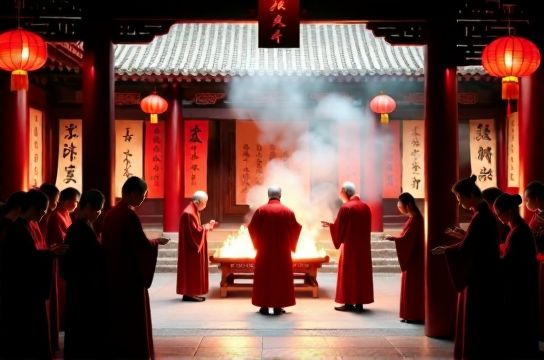
I recently attended one in Meizhou, Guangdong—a misty hillside village where stone tablets echo names from centuries past. Incense curled into the sky like whispered prayers, and hundreds gathered in silk and black cotton, bowing in unison. It was humbling. And yes, a little overwhelming. So let me break it down for you—what to expect, how to behave, and why this ancient practice still pulses with meaning today.
The Heartbeat of Hakka Identity
The Hakka diaspora spans across Southeast Asia and beyond, but their roots remain deeply tied to lineage and land. Clan ceremonies, often held during Qingming (Tomb-Sweeping Day) or Mid-Autumn Festival, honor ancestors through offerings, chants, and communal feasts. These aren’t tourist shows—they’re sacred moments of connection.
According to anthropological records, over 70% of Hakka villages in Fujian and Guangdong still maintain active ancestral halls. Some temples house genealogies dating back 30+ generations. That’s not just history—that’s identity carved in wood and ink.
What Happens During the Ceremony?
Think part solemn prayer, part family reunion, part cultural performance. Here’s a typical flow:
| Phase | Duration | Key Activities |
|---|---|---|
| Purification | 15–20 min | Washing hands, donning traditional attire |
| Ancestral Invocation | 30 min | Chanting genealogy, burning joss paper |
| Offerings | 45 min | Presenting food, wine, incense |
| Three Kowtows | 10 min | Full prostration before altar |
| Clan Feast | 2+ hours | Shared meal, storytelling, announcements |
Yes, you kowtow. Three times. It’s not about worship—it’s respect. And no, you won’t be singled out if you’re a guest, but participation is appreciated. One elder told me, “When you bow, you’re not just honoring our dead—you’re remembering your own place in the chain.”
Cultural Etiquette: Do’s and Don’ts
- Do dress modestly—dark or neutral colors are safest.
- Don’t point at ancestral tablets or take flash photos.
- Do accept tea or food offered—it’s a sign of inclusion.
- Don’t leave early from the feast; it’s a social anchor.
Language can be a barrier—many elders speak Hakka dialect, not Mandarin—but smiles and quiet attentiveness go a long way.
Why This Matters Now
In an age of digital detachment, these ceremonies ground people in something real. A 2022 study in Asian Ethnology found that youth who participate in ancestral rites report stronger community bonds and cultural pride. And for travelers? It’s authenticity you can’t Google.
So if you’re ever handed a stick of incense and guided to the front row—take a breath, bow deep, and let the weight of time settle on your shoulders. You’re not just watching history. You’re helping keep it alive.