
Echoes of the Past: Pilgrimage to China’s Most Sacred UNESCO Sites
- Date:
- Views:264
- Source:The Silk Road Echo
China isn’t just a country—it’s a living museum. From misty mountain temples to silent desert fortresses, its UNESCO World Heritage Sites whisper stories older than most nations. If you’ve ever wanted to walk where emperors once stood or meditate in a 1,000-year-old monastery, this is your ultimate guide to the soul-stirring sacred sites across China.
Why These Sites? Because History Breathes Here
With over 50 UNESCO-listed locations, China ranks among the top countries for cultural and natural heritage. But beyond the numbers, these places offer something deeper—a visceral connection to philosophy, faith, and imperial ambition that shaped an entire civilization.
The Must-Visit Sacred Sites (And Why They’ll Give You Chills)
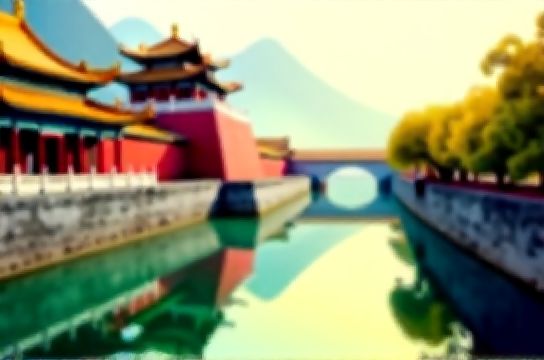
1. The Forbidden City, Beijing
Once home to 24 Ming and Qing emperors, this 720,000-square-meter palace complex isn’t just grand—it’s a symbol of cosmic order. Every roof tile, courtyard alignment, and dragon carving reflects Feng Shui and Confucian ideals.
2. Temple of Heaven, Beijing
Where emperors prayed for good harvests, this serene park-like site features the iconic Hall of Prayer for Good Harvests. Its triple-tiered blue roof reaches toward heaven—literally. The circular design represents heaven; the square base, earth.
3. Mogao Caves, Dunhuang
Buried in the Gobi Desert’s edge, these 492 caves house some of the finest Buddhist art in existence. Spanning 1,000 years, the murals cover over 45,000 m²—imagine 6 football fields of spiritual storytelling.
4. Mount Emei & Leshan Giant Buddha, Sichuan
A pilgrimage hotspot since the 1st century CE, Mount Emei is one of China’s Four Sacred Buddhist Mountains. At its foot stands the Leshan Giant Buddha—71 meters tall, carved straight into a cliff face. It took 90 years to complete… and zero power tools.
5. Longmen Grottoes, Luoyang
Over 100,000 Buddhist statues are carved into limestone cliffs along the Yi River. Created between the 5th and 8th centuries, the precision and serenity of the faces will leave you speechless.
Quick Stats: A Snapshot of Spiritual Grandeur
| Site | UNESCO Year | Key Feature | Visitor Tips |
|---|---|---|---|
| Forbidden City | 1987 | Imperial Palace Complex | Go early; book tickets online |
| Temple of Heaven | 1998 | Royal Sacrificial Altar | Morning visit for local culture |
| Mogao Caves | 1987 | Buddhist Murals & Manuscripts | Guided tour required; limited access |
| Leshan Giant Buddha | 1996 | Largest Stone Buddha | Boat view + hike combo |
| Longmen Grottoes | 2000 | 100k+ Buddhist Statues | Sunset lighting is magical |
Pro Tips for the Modern Pilgrim
- Timing is everything: Avoid Chinese holidays—sites get packed. May and September offer mild weather and thinner crowds.
- Respect the rituals: Many sites are still active places of worship. Dress modestly, speak softly, and don’t point at statues.
- Local guides rock: Hire one at Mogao or Longmen. The stories behind the art? Priceless.
Final Thought: More Than Tourism—It’s Transformation
These aren’t just tourist spots. They’re portals. Standing beneath the Leshan Buddha, you feel small in the best way. Walking through the Forbidden City, you sense the weight of history. That’s the magic of China’s sacred UNESCO sites—they don’t just show you the past. They let you live it.