
Living Cultures: Wandering Through Hongcun and Xidi
- Date:
- Views:207
- Source:The Silk Road Echo
Ever stepped into a Chinese ink painting? That’s exactly what it feels like when you wander through Hongcun and Xidi, two ancient villages nestled in the misty hills of Anhui Province. These UNESCO World Heritage Sites aren’t just relics—they’re living, breathing snapshots of Ming and Qing dynasty life, where stone pathways whisper stories and moon ponds reflect centuries of tradition.
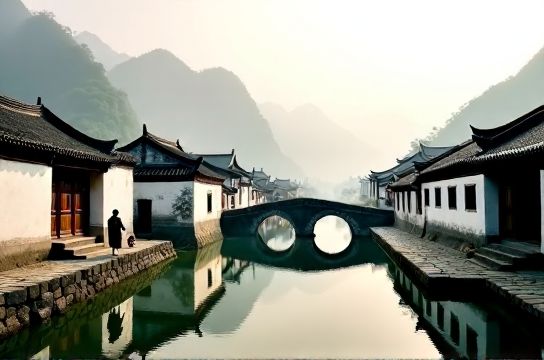
Let’s cut through the tourist brochures and dive into why these villages deserve more than a passing glance. Whether you're a culture junkie, a photography nerd, or just chasing that serene vibe, Hongcun and Xidi deliver—with charm.
Hongcun vs. Xidi: What’s the Vibe?
Hongcun is often called the 'village in a painting.' With its iconic South Lake reflection—especially magical at sunrise—it’s no wonder filmmakers used it as a backdrop in Crouching Tiger, Hidden Dragon. The whole layout mimics an ox: the mountain as head, bridges as legs, and the winding waterways as intestines. Yep, really. But it works—harmoniously.
Xidi, on the other hand, feels more like stepping into a scholar’s dream. With over 120 well-preserved Huizhou-style houses, this village leans into elegance. Stone carvings, lattice windows, and calligraphy-lined halls scream refined taste. It’s quieter, less crowded, and perfect if you want authenticity without the selfie sticks.
Quick Stats: By the Numbers
| Village | UNESCO Listed | Average Daily Visitors | Best Time to Visit | Entry Fee (CNY) |
|---|---|---|---|---|
| Hongcun | 2000 | 6,000–9,000 | Spring & Autumn | 104 |
| Xidi | 2000 | 3,000–5,000 | Autumn | 94 |
Source: Anhui Tourism Bureau (2023). Pro tip: Visit Xidi early morning—you’ll have courtyards all to yourself.
Why These Villages Still Matter
It’s not just about pretty facades. The real magic lies in the living culture. Locals still perform ancestral rites, craft handmade ink sticks, and brew tea in clay pots passed down generations. In Hongcun, join a dawn walk with villagers feeding koi in Moon Pond. In Xidi, chat up a shopkeeper restoring antique furniture using traditional joinery—zero nails involved.
The architecture? Chef’s kiss. Black tiles, white walls, horse-head gables—the signature Huizhou style isn’t just aesthetic. It’s smart design: elevated foundations prevent flooding, intricate drainage systems handle monsoon rains, and courtyard layouts promote airflow. Ancient eco-engineering, anyone?
Plan Like a Pro
- How to Get There: Fly to Huangshan City (TXN), then take a 40-min bus to either village.
- Stay: Try family-run guesthouses (minsu)—$30/night gets you a room with mountain views and homemade tofu breakfast.
- Don’t Miss: Hongcun’s Chengzhi Hall (epic wood carvings) and Xidi’s Litang House (oldest residence here, built in 1507).
And seriously—skip weekends. Go mid-week for that zen, crowd-free experience.
Final Thoughts
Hongcun dazzles. Xidi deepens. Together, they offer a rare combo: visual poetry and cultural soul. These aren’t theme parks dressed as old towns—they’re real places where history lives in every brick and breeze.
So pack light, charge your camera, and let Anhui’s ancient heartbeat guide your steps. Because sometimes, the past isn’t behind us—it’s right there, waiting by a moonlit pond.