
Imperial Echoes: Exploring the Forbidden City Beyond the Tourist Trail
- Date:
- Views:234
- Source:The Silk Road Echo
Think you've seen the Forbidden City? Think again. While millions flock to Beijing’s iconic palace complex each year, most stick to the well-trodden path from Meridian Gate to the Imperial Garden. But beyond the selfie sticks and tour groups lies a deeper story—one of whispered court intrigues, forgotten courtyards, and architectural genius that still echoes through time.
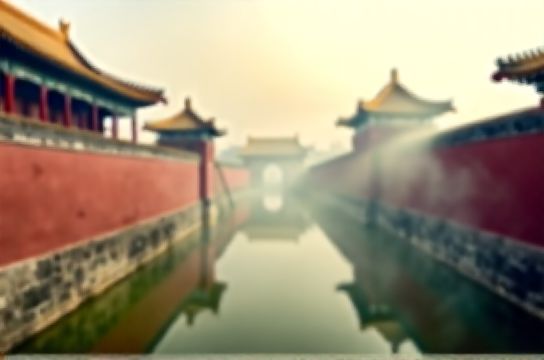
Let’s peel back the layers. Built in 1406 during the Ming Dynasty, the Forbidden City spans 180 acres, houses 980 surviving buildings, and once sheltered 24 emperors across nearly 500 years. Yet only about 30% of the site is open to the public. The rest? Reserved for preservation, research, or simply too mysterious to unveil.
Wander off the main axis and you’ll find Palace of Gathering Elegance (Zhaode Dian), recently restored and rarely crowded. Once home to imperial consorts, its peeling red pillars and faded murals whisper tales of ambition and heartbreak. Or slip into the Library of Literary Profundity (Wenyuan Ge), a Qing-era sanctuary for scholars, where the scent of aged wood and ink lingers in quiet halls.
And don’t miss the Qing Palace Archives—a treasure trove of over 10 million documents detailing everything from royal birthdays to weather reports. Yes, the emperor cared about rainfall.
To help you dive deeper, here’s a snapshot of what most visitors overlook:
| Site | Era | Function | Visitor Traffic |
|---|---|---|---|
| Palace of Eternal Spring | Qing Dynasty | Residence of Empress Dowager Cixi | Low |
| Charming Orchestra Quarters | Ming Dynasty | Housing for court musicians | Very Low |
| Treasure Pavilion West | Qing Dynasty | Storage of imperial artifacts | Moderate |
| Office of Astronomical Observations | Ming Dynasty | Tracking celestial events | Nearly Empty |
Pro tip: Visit on a weekday morning, enter via the less-crowded east gate, and ask staff about "special access" areas—some can be visited with advance permission.
The Forbidden City isn’t just stone and timber; it’s a living archive. As UNESCO notes, it remains “the largest and best-preserved collection of ancient wooden structures in the world.” Every beam aligns with feng shui principles, every roof adorned with mythical beasts symbolizing protection and power.
So next time you’re in Beijing, skip the postcard spots. Let the echoes guide you. Step into a courtyard where eunuchs once schemed, where poets composed under moonlight, and where history didn’t just happen—it breathed.