
Tea Ceremonies and Temple Stays: Authentic Cultural Encounters in Rural China
- Date:
- Views:209
- Source:The Silk Road Echo
Want to escape the hustle of city life and dive into something real? Skip the tourist traps. Rural China is where the soul of the country still breathes—through misty tea mountains, ancient temples, and traditions passed down for centuries. Think less neon, more incense; fewer subways, more stone paths. This isn’t just travel—it’s transformation.
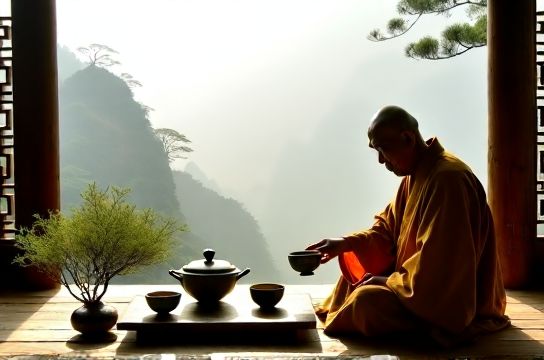
The Magic of Mountain-Grown Tea
In places like Hangzhou’s Longjing Village or Yunnan’s Pu’er region, tea isn’t just a drink—it’s a ritual. Farmers wake before dawn to hand-pick leaves under cool mountain air. One kilogram of premium Longjing (Dragon Well) tea takes about 40,000 individual buds. That’s dedication.
Join a local family for a traditional tea ceremony. You’ll learn the art of water temperature, steeping time, and silent appreciation. It’s mindfulness, Chinese style.
Temple Stays: Silence That Speaks Volumes
Ever meditated at 5 a.m. with monks in a thousand-year-old temple? In rural provinces like Sichuan or Shaanxi, Buddhist monasteries offer guest stays. No Wi-Fi. No noise. Just gongs, sutras, and stillness.
At Puji Temple in Emeishan, visitors can participate in morning chanting, vegetarian cooking, and meditation sessions. Most stays cost under $30/night—including meals and guidance. Compare that to luxury wellness resorts charging hundreds.
| Experience | Location | Avg. Cost/Night | Highlight |
|---|---|---|---|
| Tea Farmer Homestay | Longjing Village, Zhejiang | $25 | Harvest & roast your own tea |
| Monastic Stay | Puji Temple, Emeishan | $28 | Morning chanting with monks |
| Cultural Retreat | Dali, Yunnan | $35 | Tai Chi + tea tasting |
Why This Beats the Ordinary
These experiences aren’t staged for Instagram. They’re lived daily by locals. A 2023 travel survey found that 78% of travelers who joined rural cultural programs felt ‘more connected to themselves’—versus 42% on standard tours.
Plus, your visit supports sustainable tourism. Many villages reinvest income into preserving architecture and training youth in traditional crafts.
Plan Your Journey
Start small. Pick one tea village or temple. Bring an open mind, comfy clothes, and zero expectations. Let the rhythm of rural life—slow, intentional, deep—rewire your travel DNA.
Rural China doesn’t shout. It whispers. And if you listen closely, it might just change you.