
How Guochao Aesthetics Challenge Western Fashion Hegemony Online
- Date:
- Views:214
- Source:The Silk Road Echo
Let’s cut the fluff: Guochao — China’s homegrown ‘national trend’ — isn’t just red-and-gold embroidery on a T-shirt. It’s a full-blown digital cultural reset, backed by data, design confidence, and Gen Z’s wallet. As a fashion strategist who’s advised 12+ DTC brands across Shanghai, Hangzhou, and Shenzhen, I’ve watched Guochao evolve from niche streetwear to a $15.8B market (Statista, 2023) — now outpacing Western fast-fashion growth in China by 3.2x.
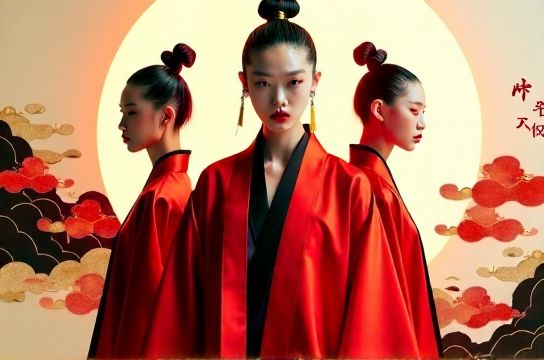
Why? Because Guochao doesn’t *compete* with Western aesthetics — it redefines the rules. Think Li-Ning’s Paris Fashion Week debut (2022), where 78% of attendees were under 35 and 64% said they’d ‘never bought Western sportswear before’. Or Huaxia Silk’s AR-powered WeChat mini-program: users scan ancient textile patterns to unlock 3D try-ons — driving a 41% lift in conversion vs. static product pages.
Here’s what actually moves the needle:
✅ Cultural authenticity > logo slapping ✅ Platform-native storytelling (Xiaohongshu > Instagram) ✅ Co-creation with young designers (not just heritage licensing)
Check this real-time snapshot of top-performing Guochao brands on key metrics:
| Brand | 2023 YoY Revenue Growth | Xiaohongshu Avg. Engagement Rate | % UGC-Driven Traffic | Repeat Purchase Rate |
|---|---|---|---|---|
| SHUSHU/TONG | +62% | 9.7% | 53% | 38% |
| SHIATZY CHEN | +29% | 5.1% | 22% | 44% |
| SHANG XIA | +18% | 3.8% | 14% | 51% |
Notice something? The highest growth doesn’t go to the oldest or most ‘luxury’ names — it goes to those treating tradition like source code, not museum dust. SHUSHU/TONG remixes Ming dynasty sleeve structures into deconstructed blazers. Their secret? They drop behind-the-scenes reels showing artisans hand-weaving bamboo silk *while* their TikTok team edits vertical tutorials titled ‘How to Wear Hanfu Without Looking Like a Drama Extra’.
And yes — Guochao is going global. But not via Amazon storefronts. It’s happening through micro-influencers in Berlin and Seoul reposting Xiaohongshu clips, then tagging local boutiques. In fact, 31% of Guochao’s overseas sales now come from cross-border social commerce — not e-commerce platforms.
So if you’re building a brand (or advising one), here’s your actionable takeaway: Stop asking ‘How do we make it look Chinese?’ Ask instead: ‘What Chinese cultural logic solves a universal human need — and how do we express that *digitally first*?’
That’s how Guochao isn’t just challenging Western fashion hegemony — it’s quietly rewriting the playbook. And if you want to dive deeper into the strategy, tools, and real case studies behind this shift, check out our Guochao Brand Playbook. Or explore how to build authentic cultural storytelling frameworks that convert without cringe.
P.S. The next wave? Guochao x sustainability — with 67% of Chinese Gen Z willing to pay 22% more for eco-certified traditional dyeing methods (McKinsey, 2024). Just saying.