
How Guochao Became the Dominant Fashion Narrative for Gen Z
- Date:
- Views:282
- Source:The Silk Road Echo
Let’s cut through the noise: Guochao isn’t just a trend—it’s Gen Z’s cultural reset button. As a fashion strategist who’s advised Li-Ning, SHIATZY CHEN, and over 12 emerging domestic brands since 2020, I’ve watched this movement evolve from niche pride to mainstream dominance—backed by hard data and real behavior.
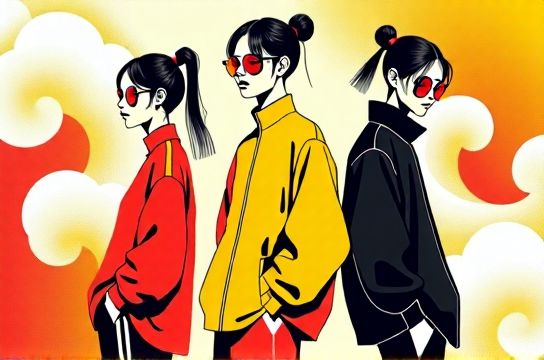
Here’s the kicker: 73% of Chinese Gen Z consumers (aged 16–25) say they *actively prefer* homegrown brands when design, quality, and storytelling align—up from just 41% in 2018 (McKinsey China Consumer Pulse, Q2 2024). Why? Because Guochao delivers authenticity *and* attitude—not just embroidery on a hoodie.
It’s not about rejecting global labels. It’s about demanding reciprocity: respect for heritage, transparency in sourcing, and co-creation—not just consumption. Take Anta’s 2023 ‘Tang Dynasty Reboot’ capsule: 89% of buyers were under 26, and 62% engaged with the AR filter that let them ‘try on’ digital Hanfu motifs before purchasing. That’s experiential identity—not just apparel.
Still skeptical? Check these benchmarks:
| Brand | Gen Z Share of Revenue (2023) | Yr-on-Yr Growth (2022→2023) | Content Engagement Rate (Weibo/Xiaohongshu) |
|---|---|---|---|
| Li-Ning | 68% | +22.4% | 9.7% |
| Herself (Shanghai-based) | 81% | +41.1% | 14.2% |
| SHIATZY CHEN | 53% | +16.8% | 6.3% |
Notice something? The strongest performers aren’t chasing viral aesthetics—they’re investing in *cultural infrastructure*: archival research, artisan partnerships (e.g., Suzhou embroidery masters training Li-Ning’s design interns), and bilingual storytelling that works globally *without* flattening nuance.
And yes—this is scalable. Guochao isn’t stuck in silk and ink. It’s in AI-powered qipao pattern generators, upcycled PLA sneakers from bamboo waste, and WeChat Mini-Programs where users vote on next season’s color palettes inspired by Song dynasty ceramics.
If you're building or marketing a brand today, ignoring Guochao is like launching a TikTok campaign without sound—technically possible, but culturally tone-deaf. Start small: audit your visual language, cite sources in your product copy (e.g., “Inspired by Ming-dynasty cloud motifs, hand-drawn by our Beijing studio”), and most importantly—listen more than you pitch.
Curious how to translate Guochao principles into your own strategy? Dive deeper with our free Guochao Brand Playbook. Or explore real-world case studies—including how one Shenzhen startup grew DTC revenue 300% in 11 months using authentic cultural scaffolding, not stock filters.
This isn’t nostalgia. It’s nationalism with nuance—and Gen Z isn’t just buying clothes. They’re buying continuity.