
Why Hanfu Became a Gen Z Social Media Phenomenon
- Date:
- Views:441
- Source:The Silk Road Echo
If you've scrolled through TikTok, Xiaohongshu, or even Instagram lately, you’ve probably seen it: Gen Z rocking flowing silk robes, intricate hairpins, and ancient Chinese elegance. No, it’s not a period drama — it’s the Hanfu movement, and it’s blowing up. But why? How did traditional Chinese clothing become a viral social media trend among youth? Let’s break it down with real data, cultural insights, and a touch of digital sociology.
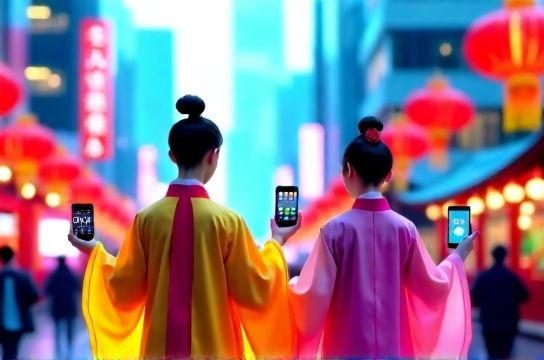
The Rise of Hanfu: More Than Just a Costume
Hanfu isn’t new — it dates back over 3,000 years. But its modern revival started in the early 2000s. Fast forward to 2024, and the Hanfu market is worth over $5 billion USD, with over 6 million dedicated wearers in China alone (China Industry Information Network, 2023). And guess what? Over 70% are under 25.
This isn’t cosplay. For Gen Z, Hanfu is identity, resistance, and pride — a way to reclaim cultural roots in a globalized world. It’s fashion with a story, and social media is the megaphone.
Social Media: The Engine Behind the Trend
Platforms like Douyin (TikTok) and Xiaohongshu (Little Red Book) have turned Hanfu into a visual movement. Hashtags like #HanfuStyle and #WearHanfu have billions of views. One viral video of a girl dancing in Tang-style robes hit 15 million likes. That’s not just attention — that’s influence.
Here’s a snapshot of Hanfu’s digital footprint:
| Platform | # of Hanfu-Related Posts | Estimated Reach (Monthly) | Main User Age |
|---|---|---|---|
| TikTok/Douyin | 8.2 million | 1.3 billion | 18–24 |
| Xiaohongshu | 4.7 million | 680 million | 16–28 |
| 3.1 million | 420 million | 20–30 |
These numbers aren’t random. They reflect a deeper shift: young people crave authenticity. In a world of fast fashion and algorithmic trends, Hanfu offers meaning. Every fold, every button tells a story of heritage.
From Niche to Mainstream: What Changed?
Three big factors fueled this explosion:
- Cultural Confidence: As China’s global influence grows, so does pride in local traditions. Hanfu is a statement: 'We’re modern, but we remember who we are.'
- Influencer Power: Key opinion leaders (KOLs) like @Hanfu_Luna and @Tang_Dancer make ancient styles look fresh and wearable.
- Accessibility: Thanks to e-commerce, you can now buy a full Hanfu set for under $30 on Taobao. No more custom tailors or museum visits.
And let’s be real — it looks good. Whether it’s a casual Ming-style jacket or a full Song dynasty ensemble, Hanfu is photogenic, unique, and totally Instagrammable.
Where’s It Going? The Future of Hanfu
The trend isn’t slowing down. In fact, cities like Xi’an and Hangzhou now host monthly Hanfu meetups, and some schools even allow students to wear Hanfu on special days. International interest is rising too — there are active Hanfu communities in the US, Japan, and France.
But beyond aesthetics, this is about belonging. For Gen Z, dressing in Hanfu isn’t about living in the past — it’s about building a future where culture matters.
So next time you see someone in flowing sleeves at a subway station, don’t assume they’re headed to a photoshoot. They might just be making a quiet, powerful statement — one thread at a time.