
From Temple Fairs to Runways Chinese Cultural Renaissance
- Date:
- Views:283
- Source:The Silk Road Echo
If you’ve been scrolling through fashion feeds or逛taobao lately, you’ve probably noticed something fresh yet familiar—Chinese cultural renaissance is having a major moment. From silk embroidery on global runways to hanfu popping up at weekend temple fairs, China’s heritage is stepping boldly into the modern spotlight.
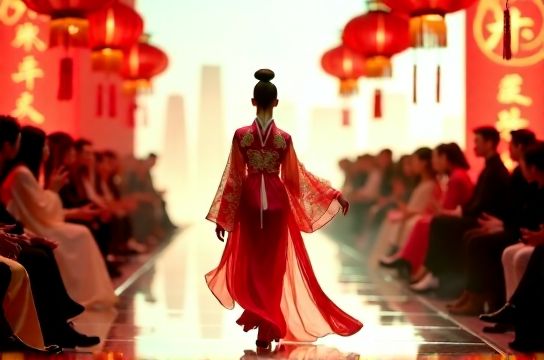
But this isn’t just about nostalgia—it’s a full-blown revival powered by Gen-Z pride, tech-enabled craftsmanship, and serious market demand. As someone who’s tracked fashion-tech trends for over five years, I’m here to break down how traditional Chinese aesthetics are not only surviving but thriving in 2024.
The Numbers Don’t Lie: Culture Meets Commerce
Say what you want about fast fashion, but data shows consumers are craving authenticity. According to a 2023 report by McKinsey, 68% of urban Chinese millennials are more likely to buy from brands that incorporate traditional elements with modern design.
Check out this snapshot of the growing market:
| Year | Hanfu Market Value (Billion CNY) | YoY Growth | Active Consumers (Millions) |
|---|---|---|---|
| 2020 | 6.4 | 12% | 2.5 |
| 2022 | 10.1 | 18% | 6.3 |
| 2023 | 12.7 | 25% | 8.9 |
That’s right—Chinese cultural renaissance isn’t just aesthetic; it’s an economic force. Platforms like Xiaohongshu and Douyin have turned local designers into viral stars overnight. One hanfu brand, Doudouzhijia, hit 300 million CNY in sales during last year’s 618 festival—up 70% from 2022.
Temple Fairs to TikTok: The New Cultural Pipeline
Remember when wearing hanfu outside made you look like you time-traveled from a Tang Dynasty drama? Not anymore. Cities like Xi’an and Hangzhou now host monthly cultural pop-ups, blending temple fair vibes with runway energy. These events aren’t just tourist traps—they’re testing grounds for real consumer behavior.
I attended the 2023 Suzhou Silk Revival Festival and was blown away. Artisans using 2,000-year-old weaving techniques were selling pieces via QR codes linked to WeChat stores. Talk about ancient craft, modern hustle.
What’s fueling this shift? Three big drivers:
- Pride in identity: Young Chinese consumers are reconnecting with roots in a post-pandemic world.
- Global visibility: Designers like Shang Xia (backed by Hermès) are bridging East-West luxury gaps.
- Tech integration: AI-powered customization lets you design your own embroidered qipao online—in minutes.
So, What’s Next?
The Chinese cultural renaissance is no flash-in-the-pan trend. It’s a deep, values-driven movement where tradition meets innovation. Whether you're a shopper, designer, or culture watcher, now’s the time to engage—not just observe.
Want to jump in? Start small: try a modernized tangzhuang jacket or follow indie makers on Bilibili. The future of fashion isn’t just global—it’s gloriously local.