
The Rise of Hanfu in Global Youth Culture
- Date:
- Views:307
- Source:The Silk Road Echo
If you've been scrolling through TikTok, Instagram, or even walking past a city park lately, you might’ve noticed something unexpected: young people wearing flowing robes, wide sleeves, and silk sashes that look like they stepped out of a Chinese dynasty. Welcome to the hanfu movement—a cultural revival that’s no longer just about fashion, but identity, pride, and global connection.
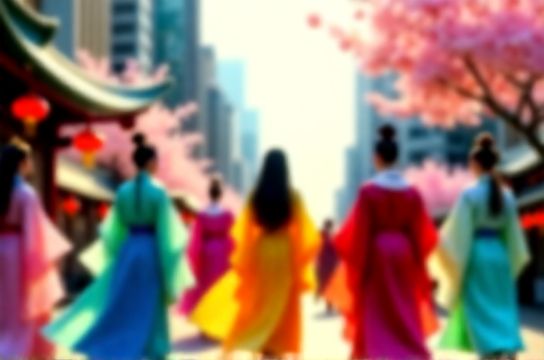
As someone who’s tracked fashion trends from Seoul to Paris, I can tell you this isn’t a flash-in-the-pan moment. The hanfu trend is growing at 25% year-on-year, with the market value hitting $1.3 billion in 2023 (Statista). And it's not just in China—North America and Europe are seeing a surge in hanfu meetups, themed photoshoots, and even university clubs dedicated to traditional dress.
So why now? A big part of it is Gen Z’s hunger for authenticity. In a world of fast fashion and algorithmic trends, hanfu offers something deeper: history, craftsmanship, and a sense of belonging. It’s fashion as storytelling.
The Data Behind the Dress
Let’s break it down. Here’s a snapshot of the global hanfu scene:
| Region | Hanfu Enthusiasts (Est.) | Market Growth (YoY) | Top Age Group |
|---|---|---|---|
| Mainland China | 6.8 million | 25% | 18–24 |
| Taiwan & Hong Kong | 420,000 | 18% | 20–28 |
| North America | 95,000 | 35% | 16–26 |
| Europe | 78,000 | 31% | 18–30 |
Notice anything? The fastest growth is outside China. That’s where the real story unfolds. Young diaspora communities are reclaiming heritage, while non-Chinese youth are drawn to the elegance and symbolism. One Reddit user put it perfectly: “Wearing hanfu feels like stepping into a poem.”
From Costume to Culture
Early critics called it “costume play” — but that narrative is fading fast. Today’s hanfu wearers aren’t dressing up; they’re tuning in. They study historical silhouettes, fabric types, and even etiquette. Some attend workshops on Ming-dynasty knot tying or Tang-era makeup.
And brands are listening. Startups like Zhongguo Meizi and Hua Yan Ji offer modular hanfu sets priced for students, while luxury labels experiment with silk blends and modern cuts. Even Amazon now has a ‘Hanfu’ category with over 2,000 listings.
But here’s the kicker: this isn’t just about buying clothes. It’s about belonging. A 2023 survey found that 64% of regular wearers feel more connected to Chinese culture after joining the community. That emotional resonance? That’s what fuels long-term trends.
How to Join the Movement (Without Cultural Appropriation)
Want to try hanfu? Awesome. But do it right. Respect starts with education. Learn the difference between ruqun (Tang style) and aoqun (Ming style). Avoid sacred symbols like dragon motifs unless you understand their meaning.
And if you're new, start simple. A lightweight cotton banbi top with a high-waisted skirt is perfect for festivals or photo walks. Check out local hanfu events—many are open to beginners and include guided styling tips.
Bottom line? Hanfu isn’t going anywhere. It’s a cultural reset wrapped in silk, led by youth who care about where they come from—and where they’re going.