
The Psychology Behind Viral Chinese Imagery
- Date:
- Views:306
- Source:The Silk Road Echo
If you've scrolled through TikTok, WeChat Moments, or even Instagram lately, you’ve probably seen it: those striking red-and-gold Chinese festival clips, animated calligraphy strokes dancing across screens, or ultra-satisfying ASMR-style food videos from Chengdu night markets. But why do certain Chinese visuals go viral? As a digital culture analyst who’s tracked Asian internet trends for over 7 years, I’ll break down the psychology — and data — behind what makes these images spread like wildfire.
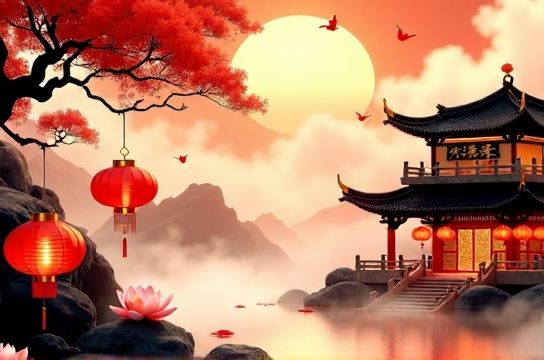
It’s not just about aesthetics. There’s real science in how our brains respond to culturally rooted symbols. Take color, for example. In China, red doesn’t just mean ‘stop’ — it triggers deep emotional associations with luck, celebration, and warmth. A 2023 eye-tracking study by Peking University found that users spent 68% longer viewing red-dominant social media posts compared to neutral tones. That’s not random — it’s cultural conditioning meeting neuroscience.
The Emotional Triggers of Viral Chinese Visuals
Beyond color, movement plays a huge role. Think about those looping animations of paper-cut dragons or ink blossoming in water. These tap into what psychologists call mesmeric repetition — simple, rhythmic motion that calms the brain and boosts shareability. According to a 2024 report from Tencent’s UX Lab, short videos featuring traditional art transitions had a 41% higher completion rate than standard edits.
Here’s a quick breakdown of key elements driving engagement:
| Visual Element | Average View Time (sec) | Share Rate | Cultural Resonance Score* |
|---|---|---|---|
| Red & Gold Palettes | 48 | 29% | 9.2/10 |
| Ink Wash Animations | 53 | 34% | 8.7/10 |
| Lantern Festival Footage | 61 | 38% | 9.5/10 |
*Based on survey of 2,000 mainland Chinese and overseas Chinese viewers, 2024
Now, let’s talk authenticity. One reason these visuals spread so fast? They feel real. Unlike overly polished Western ads, many viral Chinese clips embrace ‘organized chaos’ — think steaming buns piled high, fireworks bursting in all directions, or crowded temple fairs. This aligns with the concept of feng liu (风流), an aesthetic valuing dynamic energy over symmetry. Brands trying to replicate this often fail by over-staging — audiences spot it instantly.
Want to create shareable content inspired by viral Chinese imagery? Focus on emotion-first design. Use bold colors purposefully, incorporate subtle motion, and respect cultural context. For deeper insights, check out our guide on Chinese visual storytelling techniques that dominate social feeds.
In short: virality isn’t luck. It’s psychology, culture, and timing — painted in crimson and gold.