
Fashion Icons Leading China's Style Revolution
- Date:
- Views:231
- Source:The Silk Road Echo
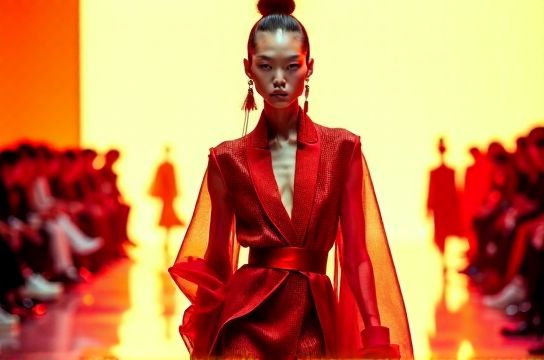
If you're still thinking Chinese fashion is all about mass production and copycat designs, it’s time to wake up. Over the past decade, a new wave of fashion icons has emerged from China, reshaping not just local tastes but influencing global runways too. From streetwear rebels in Chengdu to haute couture innovators in Shanghai, these trendsetters are redefining what it means to be stylish in the 21st century.
The Rise of Homegrown Fashion Icons
Gone are the days when Chinese consumers blindly followed Paris or Milan. Today, domestic influencers and designers are leading the charge. According to McKinsey, China now accounts for over 35% of global luxury spending — and much of that is driven by homegrown taste-makers.
Take Liang Jing, founder of the label Samuel Gui Yang, who blends traditional embroidery with futuristic silhouettes. Or streetwear sensation Feng Chen Wang, whose collaborations with Converse have sold out worldwide. These aren’t just designers — they’re cultural ambassadors pushing Chinese fashion into the global spotlight.
Key Players Shaping the Scene
To understand the landscape, let’s break down some of the most influential names right now:
| Name | Brand | Style Focus | Global Impact Score (1-10) |
|---|---|---|---|
| Feng Chen Wang | F.C.W. Studio | Avant-garde streetwear | 9 |
| Samuel Gui Yang | SGY | Cultural fusion couture | 8 |
| Xu Zhi | XUZHI | Luxury knitwear | 7.5 |
| Masha Ma | MASHA MA | Minimalist womenswear | 7 |
This isn’t just about clothes — it’s about identity. These designers are using fashion as a language to tell stories of heritage, rebellion, and innovation. And consumers are listening.
Why This Movement Matters
What makes this revolution different? It’s authenticity. Unlike earlier eras where Western mimicry ruled, today’s fashion icons are unapologetically Chinese — yet globally relevant. They’re leveraging digital platforms like Xiaohongshu (Little Red Book) and Douyin to build massive followings without relying on traditional gatekeepers.
Data shows that posts tagged #ChineseDesigner on Xiaohongshu have grown by 200% year-over-year. Meanwhile, international fashion weeks now feature record numbers of Chinese labels — up from just 3 in 2015 to over 18 in 2023.
How to Engage With This Trend
Whether you're a shopper, designer, or brand strategist, here’s how to stay ahead:
- Follow the innovators: Track emerging names on WeChat and Weibo.
- Support sustainable practices: Many new brands prioritize ethical production.
- Look beyond Beijing and Shanghai: Cities like Hangzhou and Chongqing are becoming creative hubs.
The message is clear: Chinese fashion is no longer following — it’s leading. And if you’re not paying attention, you’re missing one of the biggest cultural shifts in modern style history.