
How Z世代 Is Shaping China's Visual Culture
- Date:
- Views:353
- Source:The Silk Road Echo
If you're trying to understand modern Chinese consumer behavior, you can't ignore Z世代 — especially when it comes to visual culture. Born between the mid-90s and early 2010s, this digitally native generation is redefining aesthetics, branding, and content creation across platforms like Xiaohongshu, Douyin, and Bilibili.
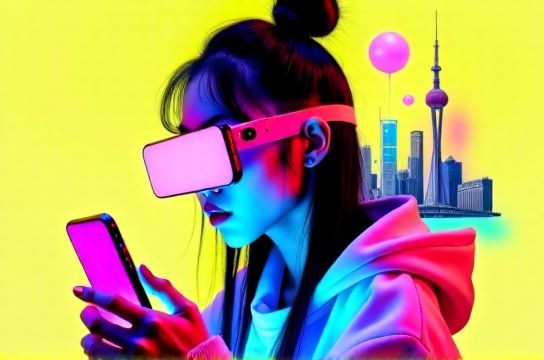
Unlike millennials, who admired Westernized perfection, Gen Z in China leans into authenticity, irony, and hyper-local trends. A 2023 report by QuestMobile found that over 78% of daily active users on short-video platforms are under 28. These aren’t passive viewers — they’re creators, curators, and cultural gatekeepers.
Take the rise of guochao (国潮), or 'national trend' — a movement blending traditional Chinese elements with streetwear and pop art. Brands like Li-Ning and Perfect Diary have skyrocketed by tapping into this aesthetic. In fact, Perfect Diary’s revenue grew from $150M in 2018 to over $900M in 2022, largely driven by Gen Z engagement on social media.
The Visual Language of Gen Z
Gen Z doesn’t just consume visuals — they speak in them. Memes, AR filters, and DIY edits are part of their digital dialect. They favor messy, fast-paced edits over polished ads. According to a Kantar survey, 64% of Chinese Gen Z consumers say they trust user-generated content more than official brand campaigns.
This shift has forced brands to rethink design strategies. Static logos? Out. Dynamic, meme-ready assets? In. For example, beverage brand Yuanqi Forest (元气森林) uses kawaii-style packaging and pastel tones that go viral on Xiaohongshu, often reposted in 'aesthetic flat lays' or unboxing videos.
Data Snapshot: Platform Preferences Among Gen Z (China)
| Platform | Primary Use | Gen Z DAU (%) | Top Content Format |
|---|---|---|---|
| Douyin | Entertainment & Discovery | 82% | 15-60s Videos |
| Xiaohongshu | Lifestyle & Shopping | 76% | Photo Essays / Reviews |
| Bilibili | Learning & Subcultures | 70% | Long-form Videos (5-15min) |
As shown above, each platform serves a unique role in shaping visual identity. While Douyin drives trends through virality, Xiaohongshu validates them via peer reviews. Bilibili, meanwhile, deepens cultural context — think videos on Hanfu history or indie music scenes.
What Brands Need to Do Differently
Forget one-way messaging. Gen Z wants co-creation. Successful campaigns now involve open-source design challenges, limited-edition DIY kits, or AI-powered customization. For instance, Meitu’s photo-editing app lets users generate 'cyber-traditional' looks by mixing Tang dynasty makeup with neon glows — a filter used over 12 million times in Q1 2024.
The bottom line? Visual culture in China isn’t just about looking good — it’s about belonging to a shared, ever-evolving narrative. And if your brand isn’t speaking fluent Gen Z, you’re already outdated.