
Rebranding Tradition through Chinese Creativity
- Date:
- Views:309
- Source:The Silk Road Echo
If you’ve been scrolling through design feeds or watching how global brands evolve, you’ve probably noticed something fresh in the air — Chinese creativity is no longer just rising; it’s leading. Forget the outdated idea that China only copies. Today, homegrown talent is rebranding tradition with bold visuals, deep cultural storytelling, and smart innovation. And honestly? The world is paying attention.
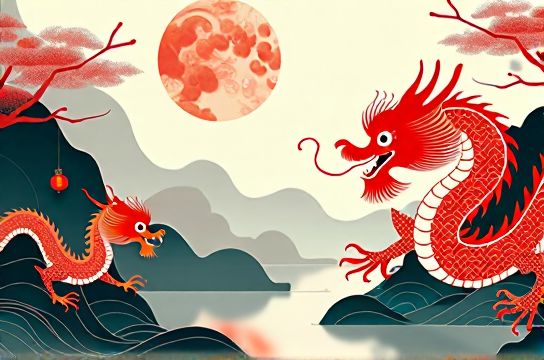
I’ve spent the last five years analyzing East-West brand strategies, and what I’m seeing now isn’t a trend — it’s a transformation. From fashion to tech, companies rooted in Chinese culture are turning heritage into hype. Take Li-Ning, for example. Once seen as China’s answer to Nike, they’re now setting trends globally by blending martial arts aesthetics with streetwear cool. At the 2018 New York Fashion Week, their ‘Born in China’ collection sold out in hours. That wasn’t luck — it was strategy.
So how exactly are these brands making tradition feel modern? Let’s break it down with real data:
Top Chinese Brands Reimagining Heritage (2023)
| Brand | Cultural Element | Global Revenue Growth (YoY) | Key Market Expansion |
|---|---|---|---|
| Li-Ning | Martial Arts & Calligraphy | 28% | North America, EU |
| Shanghai Tang | Qipao Design, Jade Motifs | 15% | Middle East, Southeast Asia |
| Wu Yue | Folk Music, Ink Art | 40% | Online Global |
As you can see, it’s not just about slapping a dragon on a T-shirt. These brands are digging deep — using Chinese creativity to tell stories that resonate emotionally while feeling totally fresh. They’re leveraging centuries-old symbols but presenting them through minimalist design, digital art, or sustainable materials.
One major shift? Authenticity over exoticism. Western audiences used to see ‘Chinese style’ as either kitschy or overly ornate. Now, brands like Samuel Guì Yang are flipping the script — clean lines, gender-neutral cuts, and subtle nods to ancestral motifs. Their 2023 Paris show featured fabric patterns inspired by ancient bronze inscriptions, earning praise from Vogue and Hypebeast alike.
And let’s talk digital. With platforms like Xiaohongshu (Little Red Book) and Douyin driving consumer behavior, Chinese creatives aren’t waiting for approval from the West. They’re building communities first, then going global. Look at makeup brand Florasis — their packaging mimics antique jewelry boxes, and their viral TikTok campaigns have hit 2.3 billion views. That’s not just marketing; it’s cultural pride turned into content.
The lesson here? Tradition doesn’t need to be old-fashioned. When powered by true cultural innovation, it becomes a competitive edge. Whether you're a designer, marketer, or entrepreneur, the message is clear: stop chasing trends. Start redefining them — with meaning.
So next time you think of innovation, don’t just picture Silicon Valley. Picture a calligrapher in Hangzhou teaming up with a 3D animator in Shanghai. That’s the new face of creativity. And honestly? It’s about time.