
When Memes Attack: Satire and Social Critique in China’s Digital Sphere
- Date:
- Views:242
- Source:The Silk Road Echo
In the labyrinth of China's digital landscape, memes aren't just for laughs—they're weapons of subtle resistance, coded commentary, and viral critique. Behind the pixelated grins and absurd captions lies a rich culture of satire that dances on the edge of censorship. Welcome to the world where memes attack—not with violence, but with wit.
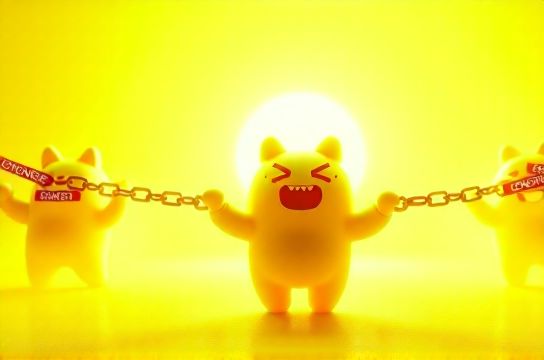
China’s internet users, boxed in by firewalls and filtering algorithms, have mastered the art of linguistic gymnastics. Emojis, homophones, and surreal imagery become tools to mock authority, highlight social injustice, or simply vent frustration—all under the radar. From "grass-mud-horse" (a pun on a vulgar phrase) to the overuse of pandas and dumplings, netizens encode dissent into seemingly innocent visuals.
Take the rise of diaosi ("loser culture")—a self-deprecating meme movement embraced by urban youth overwhelmed by housing prices and job competition. It started as a joke but evolved into a collective identity critiquing China’s hyper-competitive society. Similarly, the "lying flat" (tanping) movement used minimalist memes to promote disengagement from societal pressures, sparking nationwide debate.
Even state media hasn’t escaped parody. When official outlets promote idealized lifestyles, netizens respond with ironic memes showing exhausted workers, skyrocketing rents, and dystopian office humor. These digital jabs don’t always go unnoticed—but their ambiguity often shields them from outright bans.
Why Memes Work: The Data Behind the Laughter
A 2023 study by the University of Hong Kong found that satirical content spreads 3x faster than neutral posts on Chinese social platforms. Platforms like Weibo and Douban see peak engagement during politically sensitive periods—not through direct protest, but via meme floods.
| Meme Type | Engagement Rate | Survival Time (Avg.) | Common Themes |
|---|---|---|---|
| Political Parody | 8.7% | 14 hrs | Censorship, bureaucracy |
| Social Satire | 12.3% | 3.2 days | Housing, work-life balance |
| Self-Deprecation | 15.6% | 5+ days | Poverty, failure |
The longer lifespan of self-deprecating memes? That’s no accident. By framing critique as personal struggle, users bypass red flags while still making a statement.
Of course, it’s a risky game. One misstep, and your meme becomes a case of "online misconduct." Yet, this cat-and-mouse dynamic only fuels creativity. As censorship evolves, so do the memes—more surreal, more layered, more brilliant.
In the end, when words fail, memes speak. And in China’s digital sphere, they’re not just laughing—they’re fighting back, one repost at a time.