
The Semiotics of 'Sao' and 'Zhuang': Identity Play in Online Buzzwords
- Date:
- Views:315
- Source:The Silk Road Echo
In China's fast-evolving digital landscape, internet slang isn't just playful chatter—it's a cultural mirror. Two characters have recently stolen the spotlight: sao (骚) and zhuang (装). While seemingly simple, their usage reveals deep social commentary, identity negotiation, and generational humor.
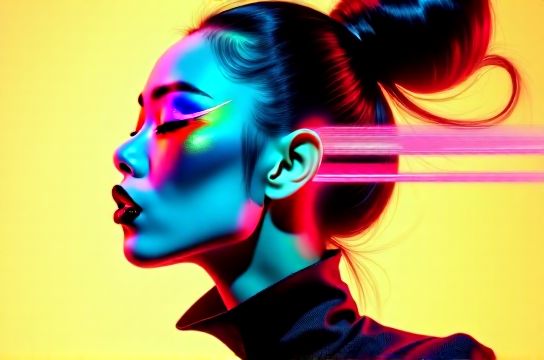
Sao, traditionally meaning "flirtatious" or "showy," has been reclaimed online to celebrate bold self-expression—especially among Gen Z. Think glitter makeup on TikTok, unapologetic confidence, or viral dance challenges. It’s no longer negative; it’s fierce.
Meanwhile, zhuang, short for zhuang bai (装白) or zhuang xiang (装相), literally means "to act" or "to put on airs." Calling someone zhuang is calling out performative behavior—like flaunting luxury brands with a student budget.
Together, these words form a yin-yang of digital identity: sao embraces authenticity through exaggeration, while zhuang mocks false pretense. It’s not just slang—it’s semiotic warfare.
Usage Trends (2020–2023)
| Year | 'Sao' Mentions (Million) | 'Zhuang' Mentions (Million) | Top Platforms |
|---|---|---|---|
| 2020 | 12.3 | 9.7 | Weibo, Douyin |
| 2021 | 18.5 | 15.2 | Bilibili, Xiaohongshu |
| 2022 | 26.8 | 24.1 | Kuaishou, Zhihu |
| 2023 | 35.4 | 31.6 | All major platforms |
As shown, both terms have surged, reflecting growing online discourse around identity performance. Notably, sao often appears in empowering contexts (e.g., #SaoAndProud), while zhuang trends during celebrity scandals or influencer call-outs.
The brilliance lies in their duality. To be sao is to own your vibe; to be zhuang is to lose credibility. It’s a linguistic tightrope walk between confidence and cringe.
Brands take note: youth audiences reward realness. A 2023 survey found that 68% of users aged 18–24 prefer ads with sao-style creativity over polished perfection. Meanwhile, 74% distrust influencers who seem zhuang.
In essence, sao and zhuang aren’t just buzzwords—they’re cultural litmus tests. In an age of digital masks, they help netizens separate the bold from the bogus.