
From Fanquan to Xuanshu: Decoding the Hidden Language of Chinese Internet Subcultures
- Date:
- Views:272
- Source:The Silk Road Echo
Ever stumbled upon terms like fanquan or xuanshu and felt like you’ve crash-landed in a digital parallel universe? You’re not alone. These aren’t just slang—they’re cultural codes shaping how millions of young Chinese netizens interact, bond, and even rebel online.
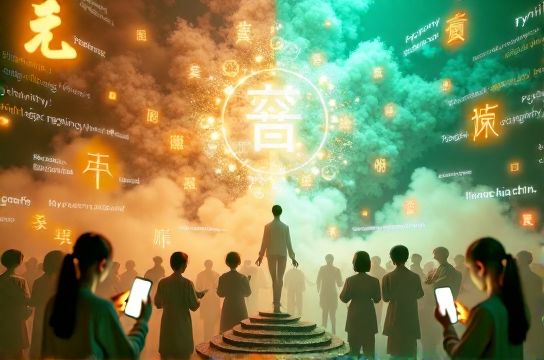
Fanquan (粉丝圈), literally “fan circle,” is more than fandom—it’s a high-octane ecosystem where idol worship meets social warfare. Think superfans on steroids: coordinated voting, trending hashtags, and sometimes, toxic pile-ons against critics. In 2023, China’s fan economy hit $12 billion, with over 480 million users engaging in fan-driven content (CNNIC). And it’s not just about love—it’s about control. Fan clubs now hire PR teams and data analysts to manage their idols’ images like Fortune 500 brands.
Then there’s xuanshu (玄学), or “mystic arts”—a quirky blend of superstition and algorithm gaming. Fans believe that performing certain rituals—posting at lucky times, using specific emojis—can boost an idol’s rankings on platforms like Weibo or Douyin. It sounds absurd, but with social metrics dictating real-world opportunities, who’s to say it doesn’t work?
Here’s a snapshot of how these subcultures operate:
| Term | Literal Meaning | Core Behavior | User Base (Est.) |
|---|---|---|---|
| Fanquan | Fan Circle | Coordinated support, censorship, online battles | ~200 million |
| Xuanshu | Mysticism | Ritualistic posting, luck-based strategies | ~150 million |
| Yinjian | Hidden Sword | Undercover trolling or sabotage | Widespread tactic |
But why does this matter beyond niche communities? Because these subcultures are redefining digital citizenship in China. They reflect a generation fluent in coded language, collective action, and platform manipulation. Where Western fandoms might organize charity drives, Chinese fanquans wage war over streaming numbers.
And yes, there’s a dark side. In 2021, a major scandal erupted when fans of a top idol were caught laundering money through fake purchases to inflate rankings. The backlash led to government crackdowns, with regulators banning “irrational” fan behavior. Yet, like internet culture everywhere, it evolves—underground, adaptive, relentless.
So next time you see a viral post drenched in emoji spells or cryptic phrases, don’t scroll past. You might be witnessing the silent grammar of a new digital tribe—one rewriting the rules of influence, one ritualized repost at a time.