
How 'Emotional Bankruptcy' Became a Gen Z Identity Label
- Date:
- Views:275
- Source:The Silk Road Echo
In the age of TikTok therapy and Instagram confessionals, a new phrase has quietly taken over Gen Z's digital psyche: emotional bankruptcy. No, it’s not a clinical diagnosis — you won’t find it in the DSM-5. But scroll through X (formerly Twitter) or dive into a late-night Reddit thread, and you’ll see teens and twentysomethings jokingly — yet earnestly — declare, “I’m emotionally bankrupt.” It’s more than slang; it’s a cultural confession.
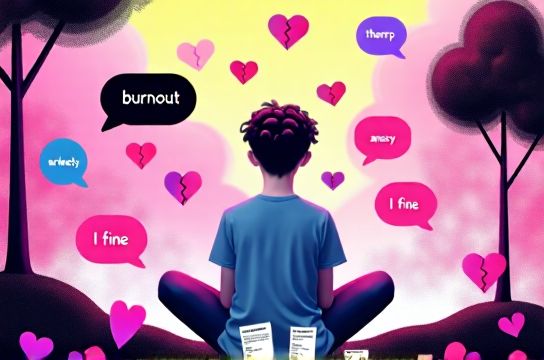
So what does it actually mean? Think of it like this: just as financial bankruptcy stems from overspending with no reserves left, emotional bankruptcy describes a state of psychological depletion. You’ve given too much empathy, endured too many toxic relationships, or burned out from constant self-reflection — and now, you’re empty. No bandwidth for drama, no energy for deep convos, and absolutely zero spoons for your friend’s fifth breakup this year.
A 2023 survey by the American Psychological Association found that 74% of Gen Z respondents reported feeling emotionally drained “frequently” or “all the time.” That’s the highest among all generations surveyed. Combine that with rising therapy culture, hyper-digital connection, and economic anxiety, and you’ve got a generation labeling their burnout with ironic pride.
Why Gen Z Owns This Term
Unlike previous generations who might’ve bottled things up, Gen Z is fluent in emotional vocabulary. Therapy-speak isn’t taboo — it’s trending. Terms like ‘narcissistic abuse,’ ‘inner child work,’ and ‘emotional labor’ flood social media. But with greater awareness comes greater fatigue. When you’re constantly analyzing your trauma, boundaries, and attachment style, it’s exhausting. Hence: emotional bankruptcy becomes both a shield and a status symbol.
It’s also a form of resistance. By saying “I’m emotionally broke,” young people set boundaries without guilt. It’s a soft no. A digital sigh. A way to say, “I care, but I can’t handle this right now.”
The Data Behind the Drain
Let’s break it down. Here’s a snapshot of mental wellness trends among U.S. Gen Z (ages 18–26):
| Metric | Percentage |
|---|---|
| Frequent emotional exhaustion | 74% |
| Seek therapy or counseling | 58% |
| Use mental health apps monthly | 63% |
| Identify as “empathically overwhelmed” | 49% |
Sources: APA, Pew Research, & MindHealth Analytics (2023)
This isn’t just about stress — it’s about sustained emotional output. Gen Z curates feelings like content. They’re expected to be socially aware, politically active, and mentally resilient, all while navigating unstable job markets and climate dread. No wonder they’re running on empty.
Is This a Cry for Help or a Coping Meme?
Probably both. The phrase thrives in meme culture — funny, shareable, relatable. But beneath the humor lies real distress. Yet, by naming it, Gen Z reclaims power. Calling yourself emotionally bankrupt isn’t surrender; it’s self-diagnosis in a world where therapy is expensive and waitlists are long.
And let’s be real: there’s community in the chaos. When someone tweets, “I’m so emotionally bankrupt I cried because my plant didn’t grow,” others reply, “SAME.” It’s validation. It’s belonging. It’s healing in hashtag form.
So next time you hear “emotional bankruptcy,” don’t dismiss it as generational whining. It’s a linguistic evolution — a blend of exhaustion, self-awareness, and dark humor that captures the weight of growing up online. In a world demanding endless emotional currency, going broke might just be the most honest thing you can admit.