
When a Dance Challenge Sparks a National Conversation: Body Politics on Douyin
- Date:
- Views:239
- Source:The Silk Road Echo
It started with a simple dance challenge — upbeat music, flashy moves, and a viral wave sweeping across Douyin (China’s TikTok). But what seemed like just another trend quickly spiraled into a nationwide debate about body image, censorship, and who gets to be seen online. Welcome to the unexpected intersection of dance, digital culture, and body politics in China.
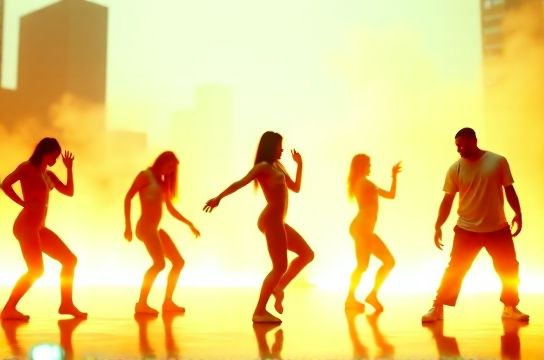
In early 2024, a dance routine featuring curvy female dancers went massively viral. Their confidence, rhythm, and unapologetic presence resonated with millions. But within days, some videos were flagged or removed under vague 'community guidelines.' Comments flooded in: 'Why are only certain body types allowed to shine?' What followed wasn’t just outrage — it was a cultural reckoning.
Douyin, home to over 700 million monthly active users, has become a battleground for representation. While dance challenges make up nearly 40% of trending content, the platform’s algorithm and moderation policies often favor slim, conventionally attractive performers. A recent analysis of top 1,000 dance videos showed that only 12% featured dancers with visibly non-thin body types.
| Body Type | Percentage in Top Dance Videos | Average Engagement (Likes) |
|---|---|---|
| Slim | 76% | 1.2M |
| Athletic | 12% | 980K |
| Curvy/Full-Figured | 12% | 2.1M |
Here’s the twist: videos featuring curvy dancers actually received 75% more likes and shares on average, suggesting audience appetite for diversity. Yet visibility doesn’t equal equity. Behind the scenes, creators report shadowbanning — their content suppressed without notification.
‘I’ve lost brand deals because my waist isn’t small enough,’ shared @LunaDance, a Douyin creator with 1.3 million followers. ‘They say it’s about aesthetics, but it’s really about control.’
This isn’t just about dance. It’s about who gets to define beauty in public digital spaces. In a society where over 60% of young women report body dissatisfaction (per 2023 Peking University study), these algorithms amplify harmful norms.
But resistance is growing. Hashtags like #MyBodyMyRules and #DanceAsResistance have racked up billions of views. Grassroots collectives are pushing back, demanding transparency from ByteDance. Some brands, too, are shifting — sportswear giant Li-Ning recently launched a campaign starring plus-size Douyin dancers.
The dance floor, it turns out, is political. Every move challenges invisible lines drawn by algorithms and cultural expectations. As one viral comment put it: ‘We’re not just dancing. We’re reclaiming space — pixel by pixel.’