
From Bilibili to Weibo: Mapping the Ecosystem of China’s Digital Youth Culture
- Date:
- Views:323
- Source:The Silk Road Echo
If you've ever wondered how Chinese youth spend their digital hours, buckle up—because it's not just TikTok and Instagram. The real action? It's happening on Bilibili, Weibo, and a constellation of homegrown platforms shaping a unique online culture. Forget Western social media logic; China’s Gen Z speaks in memes, danmu (real-time comments), and viral challenges—all within a tightly woven digital ecosystem.
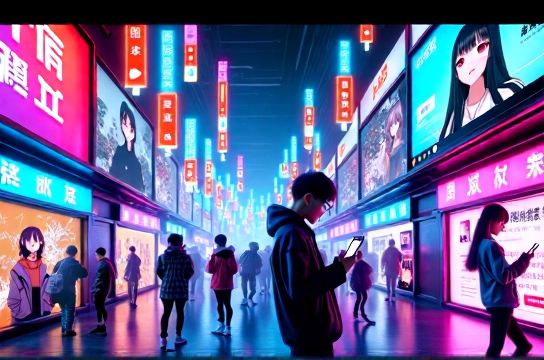
The Big Two: Bilibili vs. Weibo
Think of Bilibili as YouTube meets Reddit, sprinkled with anime soul. Originally a niche site for ACG (Anime, Comics, Games) fans, it now hosts everything from college lectures to indie music. In contrast, Weibo is China’s answer to Twitter-X: fast, celebrity-driven, and newsy. But don’t be fooled by surface labels—these platforms feed off each other, creating a dynamic content loop.
Here’s a quick snapshot of their user profiles:
| Platform | Monthly Active Users (2023) | Average Age | Top Content Categories |
|---|---|---|---|
| Bilibili | 330 million | 24 | Anime, Education, Gaming, Vlogs |
| 580 million | 29 | Entertainment, News, Celebrities, Memes |
How Content Flows Between Platforms
It starts on Bilibili: a creator drops a deep-dive video on retro gaming. Fans engage with colorful danmu like "泪目" (tears streaming) or "前方高能" (brace yourself). Then, key clips get snipped and go viral on Weibo with hashtags like #ChinaRetroGamingBoom. Suddenly, it’s trending—fueled by celeb retweets and meme remixes.
This cross-platform synergy isn't accidental. Over 67% of Bilibili creators also post on Weibo to amplify reach. Meanwhile, Weibo acts as the rumor mill and hype engine, often breaking entertainment scoops that Bilibili later unpacks with long-form analysis.
Cultural Codes Only Locals Get
You haven't truly experienced internet culture until you’ve seen a Bilibili video where every frame is buried under scrolling comments. That’s danmu—a collective viewing experience turning passive watching into communal ritual. On Weibo, it’s all about the hot search list: a real-time pulse of national chatter. Topics range from idol scandals to breakthrough science, all ranked by algorithmic heat.
Why This Matters Globally
Western brands eyeing China can’t just translate U.S. strategies. You need native rhythm. For example, launching a product teaser on Bilibili with an animated mascot? Gold. Spamming ads on Weibo without engaging fan communities? Instant cringe.
The bottom line: China’s youth aren’t just consuming content—they’re co-creating it in ways that blur entertainment, identity, and activism. And they’re doing it on their own terms.