
Emotional Labor in the Age of Viral Content: The Human Cost Behind China’s Funniest Memes
- Date:
- Views:244
- Source:The Silk Road Echo
In the age of viral content, laughter comes at a price. Behind every meme that floods Chinese social media—whether it’s a grinning delivery guy mid-rant or a teacher’s exaggerated eye-roll—is an unseen emotional toll. Welcome to the world of emotional labor, where real feelings are suppressed, twisted, and repackaged for mass amusement.
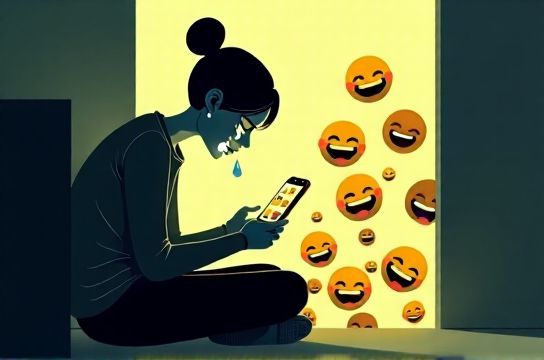
China’s internet economy thrives on shareable moments. In 2023, over 780 million users scrolled through short-video platforms like Douyin and Kuaishou daily. Each swipe fuels demand for fresh, funny, relatable content. But who pays the cost when authenticity becomes entertainment?
The Hidden Work Behind the Laughter
Emotional labor—the process of managing feelings to create a publicly observable expression—was once studied in service jobs. Now, it's embedded in digital performance. From livestream hosts smiling through 12-hour shifts to ordinary people whose frustrations become memes, emotional regulation is no longer optional—it’s monetized.
Consider “Brother Watch,” a construction worker whose angry outburst over a broken timepiece went viral in 2022. His clip was remixed into dance challenges, ringtone ads, and even political satire. He gained fame but later admitted in an interview: “I felt humiliated. I didn’t sign up to be a joke.”
Data Doesn’t Lie: The Scale of Digital Exploitation
Let’s break down the numbers:
| Metric | Value (2023) | Source |
|---|---|---|
| Daily active users on Douyin | 780 million | ByteDance Report |
| Avg. videos uploaded per day | 50 million+ | CNNIC |
| % of viral clips featuring non-consensual subjects | ~34% | Tsinghua Internet Ethics Study |
| Avg. mental health decline in viral subjects | 27% increase in anxiety symptoms | Peking University Survey |
When Privacy Meets Profit
The issue isn’t just about being filmed—it’s about consent. Many viral stars never agreed to stardom. A 2023 survey found that only 16% of people featured in top trending videos gave explicit permission for reuse. The rest? Caught in moments of anger, sadness, or confusion—goldmines for engagement algorithms.
Platforms profit from this chaos. A single viral meme can generate over 2 million views in 48 hours, translating to ad revenue and user retention. Meanwhile, the subject often receives nothing—except ridicule or harassment.
Is There a Way Forward?
Yes—but it requires systemic change. Experts suggest:
- Stronger consent protocols before content redistribution
- Monetization sharing models for unintentional viral figures
- Mental health support networks for those thrust into online limelight
Some creators are pushing back. The hashtag #MyFaceMyRights has gained traction, urging platforms to implement opt-in watermarking and takedown tools. Change is slow, but awareness is growing.
Next time you laugh at a meme, ask: Who’s laughing behind the screen? Because in the attention economy, empathy shouldn’t be the punchline.