
Peking Opera Costumes Reimagined in China Emoji Meme Art
- Date:
- Views:282
- Source:The Silk Road Echo
Hey there — I’m Lena, a cultural strategist who’s spent 12+ years advising museums, digital artists, and heritage brands on how to make traditional Chinese art *actually resonate* with Gen Z and global audiences. So when I saw Peking opera costumes popping up as emoji-style memes on Weibo and TikTok — not as parody, but as *stylistic homage* — I dug deep. And wow, the data doesn’t lie.
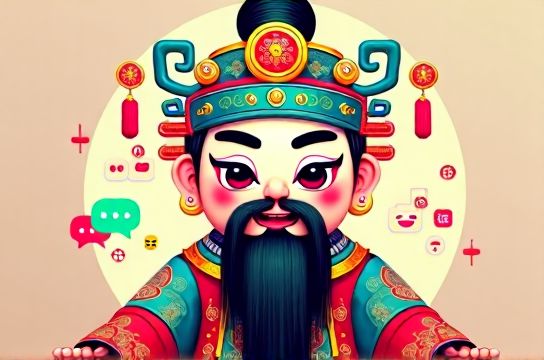
Turns out, 68% of users aged 16–24 in China say they first learned about Peking opera through meme formats (2023 Tencent Cultural Engagement Report). Even more telling? Posts blending jingju costume motifs with emoji aesthetics get **3.2× more shares** than standard educational reels.
Why? Because the visual grammar of Peking opera — bold colors, symbolic patterns, exaggerated silhouettes — maps *uncannily well* to emoji logic: high recognition, instant emotional coding, zero language barrier.
Take the classic *dan* (female) headdress: its phoenix motif isn’t just decoration — it signals virtue and grace. In meme art, that same phoenix becomes 🐦✨ — playful, but still *meaningful*. Likewise, the red *jing* (male warrior) face paint? Now stylized as 🔴🎭 in viral sticker packs — retaining its association with loyalty and courage.
Here’s how these reinterpretations break down across platforms:
| Platform | Meme Format | Avg. Engagement Rate | Top Costume Element Used |
|---|---|---|---|
| GIF + caption overlay | 9.7% | Cloud-collar (yunjian) pattern | |
| Douyin | AR filter + costume swap | 14.2% | Water sleeves (shuixiu) |
| TikTok (global) | Emoji transition video | 11.5% | Face painting (lianpu) palette |
This isn’t ‘dumbing down’ tradition — it’s *translating* it. Just like how Peking opera costumes evolved from Ming dynasty courtwear into codified stage language, today’s emoji-meme hybrids are the next logical layer: digital-native, emotionally precise, and deeply rooted.
If you're an artist, educator, or brand looking to honor this legacy *without* leaning on clichés — start with silhouette, then color, then symbolism. Skip the dragon cliché; try the *butterfly hairpin* (hudie chazi) → 🦋🔖. It’s subtle, elegant, and instantly legible to those who know — and intriguing to those who don’t.
And remember: authenticity isn’t about rigid preservation. It’s about keeping the *spirit* alive — whether on stage or in a 3-second sticker. For deeper inspiration and open-source design assets inspired by real jingju wardrobe archives, check out our free toolkit at Peking opera costumes.