
Milk Tea Alliance to Little Pink: Identity and Nationalism in Online Slang
- Date:
- Views:269
- Source:The Silk Road Echo
In the wild world of internet culture, few movements blend youth rebellion, digital activism, and geopolitical tension quite like the Milk Tea Alliance. What started as a meme has evolved into a symbol of cross-border solidarity among young netizens across Asia. But standing on the other side? The Little Pink — a term for fiercely nationalistic Chinese online users. Let’s dive into this digital clash of identities, where bubble tea meets patriotism.
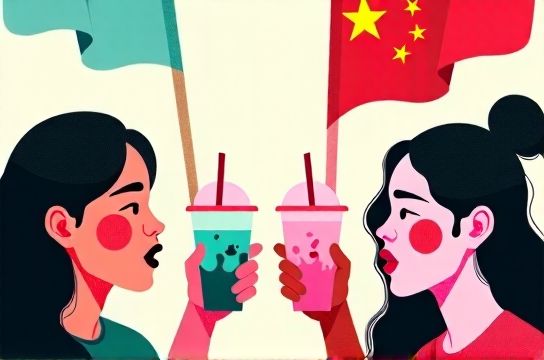
The Milk Tea Alliance emerged in 2020 when Thai, Taiwanese, and Hong Kong netizens bonded over shared democratic values and a love for milk tea — a drink culturally iconic across the region. It was playful at first: a hashtag turned inside joke turned political statement. Now, it represents resistance against authoritarianism and support for freedom of expression.
On the flip side, Little Pink (小粉红) refers to young, often female, Chinese nationalists who flood social media with pro-Beijing rhetoric. They’re known for their emotional, patriotic posts and swift backlash against any perceived insult to China.
So, what fuels this online tug-of-war?
Key Differences Between Milk Tea Alliance and Little Pink
| Aspect | Milk Tea Alliance | Little Pink |
|---|---|---|
| Origin | 2020, Twitter (Thailand-Taiwan-Hong Kong) | Early 2010s, Chinese forums |
| Core Values | Democracy, free speech, anti-authoritarianism | National unity, pro-China sentiment |
| Typical Platforms | Twitter, Reddit, Instagram | Weibo, WeChat, Douyin |
| Average Age | 18–30 | 16–28 |
| Symbol | Bubble tea | Pink heart + Chinese flag |
This isn’t just about politics — it’s about identity. The Milk Tea Alliance uses humor and memes to challenge power, while Little Pink sees defending the nation as a moral duty. Both are deeply embedded in their respective digital ecosystems.
Data shows the divide is real. A 2022 study by the Digital Asia Hub found that hashtags like #MilkTeaAlliance reached over 5 million impressions during major protests, while #LittlePink content averages 200K daily posts on Weibo alone.
Yet, both groups face criticism. The Alliance is sometimes accused of being too fragmented or overly idealistic. Little Pink is often labeled as cyber-nationalists, prone to online harassment.
In the end, these online tribes reflect deeper societal shifts — generational divides, access to information, and the global battle for narrative control. Whether sipping boba or waving flags, one thing’s clear: the internet has become the new frontline of cultural and political identity.