
The Rise of Meme Culture in China: How Netizens Turn Social Pressure into Humor
- Date:
- Views:322
- Source:The Silk Road Echo
In the fast-paced digital era, Chinese netizens have mastered a unique survival skill—turning life's struggles into viral memes. From "involution" to "lying flat," internet humor has become a cultural release valve, blending satire, creativity, and social commentary into shareable images and phrases.
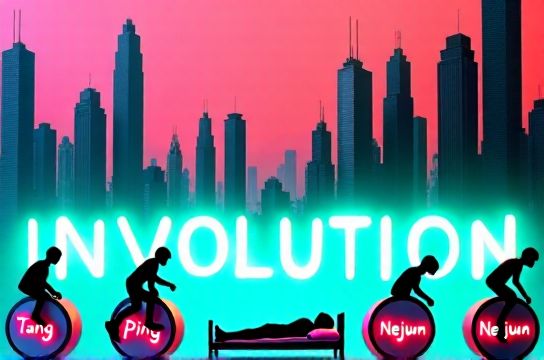
Meme culture in China isn’t just about laughs—it’s a reflection of generational stress, economic pressure, and the collective need for emotional relief. Platforms like Weibo, Douyin, and Xiaohongshu are flooded with meme formats that evolve weekly. One popular example? The "Tang Ping" (躺平) movement, where young people mock overwork by posting pictures of themselves lying down with captions like "I’d rather nap than chase promotions."
But how did memes become such a powerful tool? Let’s break it down.
The Psychology Behind the Laughs
A 2023 survey by Peking University found that 68% of urban millennials use memes daily to cope with anxiety. Rather than protest openly, they opt for subtle satire—like comparing office workers to caged hamsters running on wheels.
| Meme Trend | Origin | Peak Popularity | Social Theme |
|---|---|---|---|
| Tang Ping (Lie Flat) | Weibo Post, 2021 | Q3 2021 | Anti-hustle culture |
| Nèijuān (Involution) | Academic Essay, 2020 | Q4 2020 | Workplace competition |
| Frog in a Well | Douyin Skit, 2022 | Q1 2023 | Urban isolation |
| Emo Crab | Xiaohongshu Art, 2023 | Q2 2023 | Youth depression |
These memes aren’t random—they’re coded messages. Take Nèijuan, originally an anthropological term, now used to describe endless competition for minimal gain. A student might post: "Studying 18 hours a day just to stay average—welcome to involution hell."
Why Memes Work in Censored Spaces
In a tightly regulated online environment, memes offer plausible deniability. Authorities may miss the subtext, but users get it instantly. For example, the image of a sweating melon farmer became shorthand for feeling overwhelmed—no explicit critique, yet universally understood.
Brands have caught on too. In 2023, beverage giant Nongfu Spring launched a campaign featuring "tired boba pearls" sinking to the bottom of a cup—echoing youth burnout. Sales rose 17% among under-30 consumers.
The Future of Chinese Meme Culture
As long as pressure persists, memes will evolve. New formats like AI-generated parody videos and voice filters mocking bosses are gaining traction. Yet, there’s concern: can humor alone drive change?
Maybe not. But for now, memes remain the people’s mic—a way to say, "I see the absurdity, I’m exhausted, but I’m still here—and laughing."