
The Evolution of Wanghong: From Viral Stars to E-Commerce Giants
- Date:
- Views:302
- Source:The Silk Road Echo
If you've scrolled through Chinese social media or watched live-stream shopping lately, you've probably heard the term wanghong—literally 'internet red' or 'web celebrity'. But wanghong isn’t just about fame; it’s a full-blown economic phenomenon reshaping how China shops, clicks, and connects online.
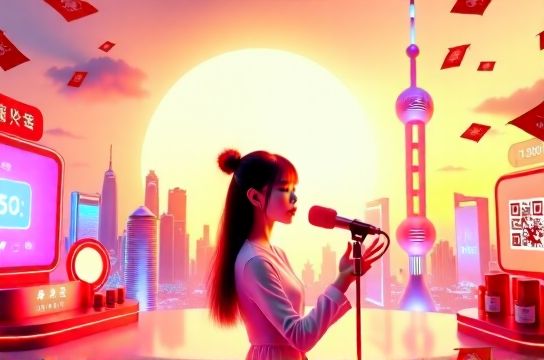
Gone are the days when being a wanghong meant posting cute selfies. Today, top influencers like Viya and Li Jiaqi (aka 'Lipstick King') pull in millions during single livestreams. In 2023, China's wanghong economy was valued at over $42 billion, with more than 100 million content creators fueling platforms like Douyin, Xiaohongshu, and Taobao Live.
So how did we get here? Let’s break it down.
The Rise: From Bloggers to Brand Builders
In the early 2010s, wanghong emerged on platforms like Weibo as fashion-savvy bloggers sharing lifestyle tips. Their authenticity attracted loyal followings. As e-commerce boomed, brands noticed—these weren’t just influencers; they were trust signals.
By 2016, Alibaba officially recognized the “wanghong economy,” integrating influencers directly into its supply chain. Fast forward to today, and many wanghong run their own fashion labels, skincare lines, or even tech startups.
The Power of Livestream Commerce
No format showcases wanghong power better than livestream shopping. During the 2023 Singles’ Day festival, Li Jiaqi generated over 10 billion RMB (~$1.4B USD) in sales in just a few hours. That’s more than some Fortune 500 companies make in a quarter!
Here’s a snapshot of top performers:
| Influencer | Platform | Peak Sales (Single Event) | Followers |
|---|---|---|---|
| Li Jiaqi | Taobao Live | ¥10.7B | 89M |
| Viya | Taobao Live | ¥8.3B | 86M |
| Papi Jiang | Douyin | ¥1.2B | 78M |
| Spicy Crab | Xiaohongshu | ¥500M | 22M |
Behind the Glamour: Strategy & Supply Chains
Success isn’t just charisma—it’s logistics. Top wanghong partner with agile manufacturers for fast-turnaround fashion. Some have cut lead times to under 7 days from design to delivery, leveraging real-time audience feedback.
And let’s not forget data. Algorithms track engagement, conversion rates, and viewer drop-off, allowing influencers to tweak scripts, timing, and product drops with surgical precision.
What’s Next?
While regulatory scrutiny has cooled some excesses (e.g., tax issues in 2021), the model is evolving—not dying. New wave creators focus on niche expertise: parenting, sustainable living, or even finance. Platforms are investing in AI tools to help micro-influencers scale.
The bottom line? Wanghong isn’t just a trend. It’s the fusion of content, community, and commerce—a blueprint for digital influence worldwide.