
Scrolling Through Society: What TikTok-Style Platforms Reveal About Modern China
- Date:
- Views:301
- Source:The Silk Road Echo
You’re lying in bed, phone in hand, endlessly swiping through short videos — a farmer dancing in a rice field, a street vendor flipping pancakes like a pro, a college student ranting about job hunt stress. Sound familiar? Welcome to the digital heartbeat of modern China, where TikTok-style platforms like Douyin aren’t just for entertainment — they’re mirrors reflecting society’s soul.
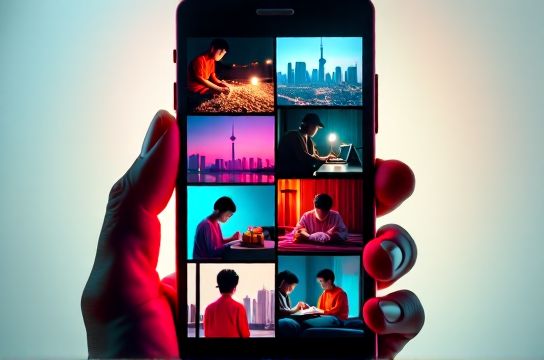
In China, short-video apps have exploded beyond viral dance trends. They’ve become cultural pulse checkers, economic equalizers, and sometimes, quiet protest zones. With over 800 million active users on Douyin alone, these platforms shape how people see themselves, their neighbors, and their future.
First off, let’s talk visibility. In a country where traditional media often feels polished and distant, Douyin brings raw, unfiltered life into focus. A delivery rider shares his 14-hour workday. A woman in a small village teaches English to kids using her phone. These stories don’t make headlines — but they go viral, sparking conversations about inequality, hustle culture, and dreams deferred.
And get this: these platforms are reshaping careers. Forget climbing the corporate ladder — now, millions are chasing 'internet fame' as a legit career path. From farmers livestelling apples to factory workers becoming fashion icons, anyone with a phone and personality can build an audience. This isn’t just influencer culture; it’s digital entrepreneurship at scale.
But it’s not all sunshine and viral hits. The pressure to perform is real. Teens edit obsessively, chasing likes like validation pills. Some creators burn out fast, trapped in the algorithm’s endless grind. And while the government promotes 'positive energy' content, sensitive topics still slip through — disguised as humor, metaphor, or everyday struggles.
What’s wild is how these videos capture shifting values. Young people post about 'lying flat' (tang ping) — rejecting burnout culture — while others dream of 'getting rich quick' through e-commerce livestreams. It’s a paradox: wanting freedom but stuck in the system, craving authenticity but performing for views.
Even rural China isn’t left behind. Thanks to improved internet access, villagers now broadcast harvests, local festivals, and homemade meals — turning regional culture into national trends. This digital inclusion bridges gaps, but also raises questions: who gets seen, and who stays invisible?
So what do these endless scrolls really tell us? That modern China is complex, contradictory, and constantly evolving. Behind every 15-second clip is a story — of hope, frustration, resilience, or rebellion. These platforms don’t just reflect society; they shape it, one swipe at a time.