
From Fan Culture to National Pride: The Politicization of Viral Challenges in China
- Date:
- Views:305
- Source:The Silk Road Echo
You’ve seen it before—cute dance moves, quirky lip-syncs, and fans going wild over their favorite idols on Chinese social media. But lately, something’s shifted. What started as fun viral challenges among fandoms has turned into something way bigger—something political. Yeah, you heard that right. In China, online trends aren’t just about clout or views anymore. They’re becoming tools for national pride, state messaging, and even soft power.
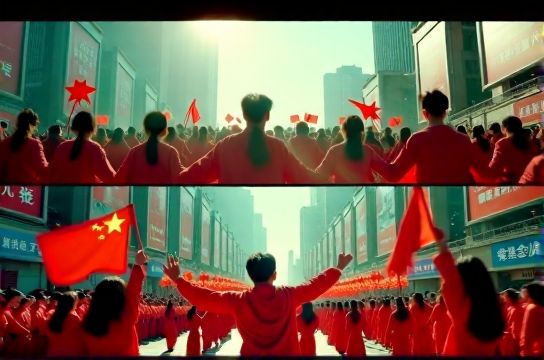
Let’s rewind a bit. Remember the whole ‘fan circle’ (or fanquan) culture explosion? Fans would organize like armies—boosting idol rankings, flooding comment sections, and launching hashtag campaigns. Platforms like Douyin (China’s TikTok), Weibo, and Kuaishou became battlegrounds for popularity. But then, the government noticed. And instead of shutting it down completely, they started steering it.
Enter the politicization of viral challenges. Now, we’re seeing dances inspired by PLA soldiers, hashtags promoting rural revitalization, and influencers doing ‘patriotic check-ins’ at revolutionary landmarks. One major example? The #IWillFightForChina challenge, where users recreated heroic scenes from wartime films. It wasn’t just nostalgic—it went mega-viral, with millions joining in, including celebs and state media accounts.
So how did this happen? Simple: alignment. The Chinese government realized these grassroots digital movements could be harnessed. Instead of fighting chaotic fan energy, why not redirect it toward national narratives? So now, when a viral trend pops off, there’s often a subtle—or not-so-subtle—patriotic twist. Even Lunar New Year challenges include lines like “My country, my pride” sung in catchy tunes.
And here’s the kicker—it works. Young people still engage because it feels authentic, creative, and community-driven. But beneath the surface, these trends reinforce values like unity, resilience, and loyalty to the nation. State-backed media don’t just report on these challenges—they actively participate, boosting reach and legitimacy.
Of course, it’s not all top-down control. Organic moments still spark real emotion. When floods hit Henan, a simple gesture—holding up a flashlight during a blackout—turned into a nationwide symbol of hope and solidarity. The government amplified it, sure, but the origin was genuine.
So what does this mean for digital culture in China? Viral challenges are no longer just entertainment. They’re part of a larger ecosystem where pop culture and patriotism blend seamlessly. For brands and creators, understanding this shift is key. Jump on a trend without recognizing its deeper meaning? You might miss the mark—or worse, face backlash.
In a world where memes can start revolutions, China’s approach is different: co-opt, guide, and celebrate. The result? A unique digital landscape where dancing for your idol can quickly turn into dancing for your country.