
The Semiotics of a Nodding Dog: Unpacking the Psychology Behind China’s Favorite Memes
- Date:
- Views:320
- Source:The Silk Road Echo
You’ve seen it. That little nodding dog bobbing its head endlessly on Chinese social media, usually slapped over a video of someone agreeing way too hard with a hot take. It’s everywhere — from WeChat moments to Douyin comments, this bouncy-headed pupper isn’t just cute; it’s become a full-blown cultural symbol. But what’s really going on beneath that wiggling neck? Let’s dive into the weird, wild world of China’s meme psychology and decode why a simple nodding dog says more than words ever could.
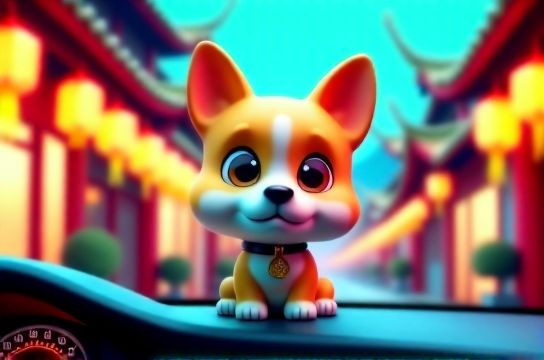
First off, let’s get one thing straight: memes in China aren’t just jokes. They’re social currency. In a digital landscape packed with censorship and tight regulations, netizens have gotten *creative*. Emojis? Too risky. Text? Could be flagged. But a cartoon dog nodding like it’s at a K-pop concert? Now that’s safe satire. The nodding dog, often paired with sarcastic captions or absurd commentary, lets users express agreement, irony, or even subtle dissent — all while flying under the radar.
Psychologically, this makes perfect sense. Nodding is a universal sign of approval. Even babies pick up on it early. So when you slap a hyper-enthusiastic nodding dog on a post about "working 996 is actually fulfilling," the humor hits harder because of the contrast. It’s exaggerated. It’s ridiculous. And that exaggeration is the point. It’s not just saying “yes” — it’s screaming “YES!” in a way that everyone understands but no algorithm can pin down.
But here’s where it gets deeper. The nodding dog also reflects a collective mindset. In Chinese internet culture, groupthink and social harmony are often mirrored in viral trends. When thousands of people use the same meme to react, it creates a sense of belonging — like an inside joke for the entire nation. You don’t need to explain it. You just *get* it. That shared understanding is powerful, especially in a society where direct expression can be tricky.
And let’s not forget the cuteness factor. Known as "kawaii" culture across East Asia, adorable imagery softens messages and disarms tension. A serious political rant wrapped in pastel colors and bouncy animals? That’s the art of emotional camouflage. The nodding dog isn’t just funny — it’s strategic. It keeps conversations alive in spaces where they might otherwise be shut down.
So next time you see that cheerful canine doing its endless bow, remember: it’s more than a meme. It’s a semiotic powerhouse, a psychological release valve, and a quiet act of digital resistance — all wrapped in a toy you’d find in a dollar store. In China’s online world, sometimes the loudest statements come from the silliest nods.