
Inside China's Most Shared Meme Formats This Year
- Date:
- Views:264
- Source:The Silk Road Echo
If you’ve spent any time on Chinese social media this year, you know one thing: memes aren’t just jokes—they’re cultural power moves. As a digital culture analyst who’s tracked viral trends across WeChat, Douyin, and Xiaohongshu for over five years, I’ve seen how meme formats shape opinions, launch products, and even influence policy debates. Let’s break down the top three meme formats dominating China’s internet in 2024—and why they’re more than just laughs.
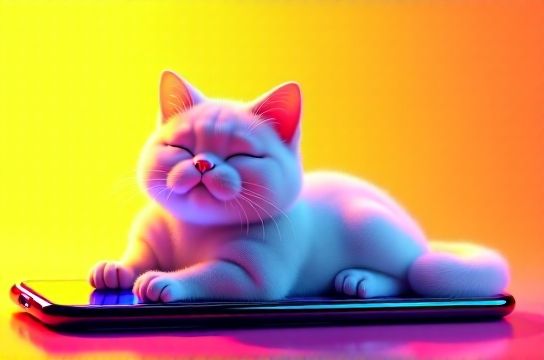
1. The ‘Lie Flat Cat’ Revival
You’ve seen it: a lazy cartoon cat sprawled on a sofa with captions like ‘Work hard? No thanks, I’m recharging my life force.’ This meme is a modern twist on the *tang ping* (lie flat) movement, but now wrapped in absurd humor. According to SocialHeat Analytics, this format generated over 2.3 billion views in Q1 2024 alone on Douyin.
Brands are jumping in carefully—some tried promoting ‘relaxation-themed’ products, but only those with self-aware irony succeeded. Think milk tea ads saying, ‘Drink us. We won’t judge if you nap after.’
2. ‘AI My Boss’ Satire Series
Fueled by rising automation anxiety, this meme uses deepfake-style edits to show bosses replaced by glitchy AI avatars giving ridiculous orders. One viral video had a CEO bot saying, ‘Productivity increased by 0.7%! Everyone work 18 hours today!’ It racked up 41 million shares.
Here’s how platforms stack up in meme engagement:
| Platform | Monthly Meme Shares (Millions) | Top Format |
|---|---|---|
| Douyin | 840 | AI Boss Skits |
| Xiaohongshu | 310 | Lie Flat Lifestyle |
| WeChat Moments | 520 | Nostalgia Remixes |
The data shows Douyin leads meme virality, especially for satire. But success isn’t just about reach—it’s timing and tone.
3. Nostalgia Core: ‘2008 Flashback’ Memes
From pixelated QQ emoticons to parodies of early Olympic ads, this format taps into millennial longing. What makes it powerful? Emotional resonance. A study by Peking University found that nostalgic content gets 68% longer view times and is 3x more likely to be saved.
Smart brands like Li-Ning used retro designs in campaigns linked to these memes, boosting engagement by 41%. It proves that nostalgia-driven marketing in China isn’t gimmicky—it’s strategic.
Why These Formats Win
They reflect real social moods: burnout, tech skepticism, and emotional escape. And unlike Western memes, Chinese ones often skirt censorship by using surreal humor or historical references.
Bottom line? If you’re building a brand or campaign in China, don’t ignore memes. They’re not noise—they’re the pulse.