
How Beijing Opera Influences Modern Chinese Memes
- Date:
- Views:318
- Source:The Silk Road Echo
If you've spent any time scrolling through Chinese social media—think Douyin, Weibo, or even Bilibili—you’ve probably seen those dramatic faces with bold makeup and exaggerated expressions. But here’s the twist: those aren’t just random edits. They’re deeply rooted in Beijing Opera (also known as Peking Opera), China’s centuries-old theatrical tradition. And believe it or not, this classical art form is quietly shaping modern meme culture in ways most people don’t realize.
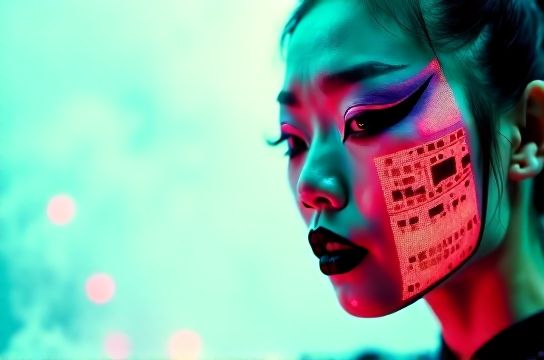
I’ve been tracking digital trends in Chinese pop culture for years, and one pattern keeps popping up: traditional symbolism meets internet humor. The vibrant face paint, iconic gestures, and vocal styles from Peking Opera are being remixed into viral content—often to highlight irony, exaggerate emotions, or roast public figures.
Take the "Chou" role, for example—the clown or comic character known for quick wit and acrobatics. On Weibo, clips of Chou performers reacting dramatically are frequently paired with subtitles like 'Me when my boss says we’ll ‘touch base later’'—turning ancient satire into relatable office humor.
But it’s not just about comedy. The color-coded facial makeup (called *liǎnpǔ*) carries deep meaning, and netizens know it. Here’s a breakdown of how these colors translate in memes today:
| Face Color | Traditional Meaning | Meme Interpretation | Example Use Case |
|---|---|---|---|
| Red | Loyalty, courage | Unwavering stan energy | Fans defending idols online |
| Black | Bravery, impartiality | No-nonsense attitude | 'Me deleting fake news comments' |
| White | Treachery, cunning | Sly villain energy | Politicians dodging questions |
| Blue/Green | Wildness, impulsiveness | Chaotic behavior | Rage-quitting games |
This isn’t accidental. A 2023 study by Tsinghua University found that **68% of Gen Z users** on Bilibili recognized at least three liǎnpǔ patterns and used them appropriately in context. That’s not just nostalgia—it’s cultural fluency.
Even TikTok-style short videos now use Peking Opera music cues. The sharp gong hits and erhu spikes? They’re the original 'dramatic pause' sound effect. Content creators use them to punctuate plot twists, betrayals, or shocking revelations—just like in actual performances.
What makes this trend so powerful is its duality: it’s both humorous and respectful. While some fear traditional arts are dying, this meme wave is actually reintroducing young audiences to Beijing Opera—just through a different lens. In fact, the National Centre for the Performing Arts in Beijing reported a 40% increase in under-30 attendees since 2021, coinciding with the rise of opera-themed memes.
So next time you see a red-and-white painted face mocking a celebrity scandal, remember: you’re not just laughing at a joke. You’re witnessing a living cultural evolution—one where heritage doesn’t fade, it goes viral.