
How Memes Reflect Real Life in Urban China
- Date:
- Views:287
- Source:The Silk Road Echo
If you've spent any time scrolling through Chinese social media—think Weibo, Xiaohongshu, or even WeChat Moments—you’ve probably seen memes that hit a little too close to home. From the "involution" of office workers pulling all-nighters to the desperate search for a 20-square-meter apartment in Beijing, internet humor in urban China isn’t just funny—it’s a cultural barometer.
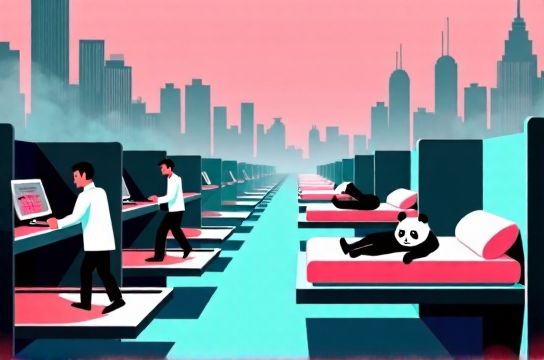
As a digital culture analyst who’s been tracking online behavior across Chinese cities for over five years, I can tell you: memes aren’t just jokes. They’re real-life reflections wrapped in satire, and they reveal more about societal stress than any government report ever could.
The Rise of 'Tang Ping' and 'Neijuan' in Meme Culture
Two keywords dominate urban meme discourse: neijuan (involution) and tang ping (lying flat). These aren’t just buzzwords—they represent real coping mechanisms for young professionals drowning in competition.
Neijuan describes the endless grind where people work harder but gain nothing. Picture this: two coworkers silently staying past midnight just to look more dedicated. That’s neijuan—and it’s everywhere in memes showing exhausted millennials with coffee IV drips.
On the flip side, tang ping is the backlash—a refusal to play the game. Memes show people napping at their desks with captions like "Productivity? Not today." It’s not laziness; it’s resistance.
Memes as Social Commentary: Data Behind the Laughs
A 2023 survey by Peking University found that 68% of urban white-collar workers aged 22–35 regularly share or engage with work-related memes. Why? Because laughter is cheaper than therapy.
Here’s a breakdown of common meme themes and what they really mean:
| Meme Theme | Real-Life Issue | % of Urban Youth Who Relate (Source: CNR 2023) |
|---|---|---|
| "996" lifestyle (9 AM–9 PM, 6 days/week) | Workplace burnout | 74% |
| Rent vs. salary jokes | Housing affordability crisis | 81% |
| "I’m not lazy, I’m strategically idle" | Tang ping mindset | 56% |
| "My boss says passion pays" | Exploitation under startup culture | 69% |
Why This Matters Beyond the Laugh
These memes are more than viral content—they’re early warning signs. When 81% of young people joke about never affording rent, it’s not just humor. It’s a cry for structural change.
Brands and policymakers are starting to notice. Companies like Alibaba and Tencent now monitor meme trends to gauge employee morale. Even state media has referenced "neijuan" in editorials, acknowledging the pressure cooker environment.
So next time you see a meme of someone sleeping under their desk with the caption "Promotion via martyrdom," remember: it’s not just a joke. It’s a snapshot of urban survival in 2024 China.