
The Psychology Behind Popular China Emoji Meme Choices
- Date:
- Views:384
- Source:The Silk Road Echo
If you've spent any time on Chinese social media—think WeChat Moments, Weibo, or even Douyin—you’ve definitely seen those quirky emoji packs people use in chats. But have you ever stopped to wonder *why* certain emojis go viral? It’s not random. There’s real psychology behind the most popular China emoji meme choices—and understanding it can actually make your digital conversations way more effective.
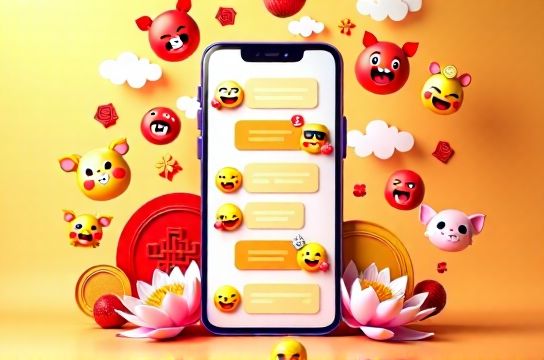
Let’s break it down with some real data and insider insight.
Why Emojis Rule Chinese Digital Communication
In China, over **89% of mobile users** regularly use emojis or sticker packs in daily messaging (China Internet Network Information Center, 2023). Unlike Western texting, where a simple 😂 might do, Chinese netizens lean on expressive, animated stickers—often featuring cartoon animals, exaggerated facial expressions, or pop culture references.
Why? Because tone is hard to convey in text. In a high-context communication culture like China’s, saving face and showing subtle emotions matter. A well-placed crying-laughing panda or a grumpy cat can say what words can’t.
Top 5 Most Used Emoji Themes in China (2024)
| Emoji Theme | Usage Rate | Psychological Purpose |
|---|---|---|
| Crying While Laughing (e.g., 'doge' or pandas) | 76% | Deflect awkwardness, show ironic humor |
| Angry/Frustrated Faces | 68% | Express annoyance without being direct |
| Blushing/Cute Animals | 61% | Softens requests, shows affection |
| Thumbs Up / OK Hand | 54% | Quick agreement, avoids lengthy replies |
| Sarcastic Waving Hand ('Bye Felicia') | 49% | Polite dismissal or playful exit |
As you can see, these aren’t just cute—they’re strategic. The popular China emoji meme choices often serve as emotional buffers. For example, sending a tearful laughing monkey after flubbing a message? That’s damage control with flair.
Cultural Nuances You Can’t Ignore
One reason certain emojis spread like wildfire in China is their alignment with local values. Take the obsession with the "kneeling dog" meme—it symbolizes exhaustion from overwork (*neijuan*, or involution). It’s funny, relatable, and subtly critical, all at once.
Also, licensed sticker packs from artists or brands (like Pop Mart’s MOLLY series) sell millions because they tap into collectible culture and identity expression.
Pro Tip: How to Use Them Like a Local
Want to blend in or connect better with Chinese audiences? Don’t just copy-paste. Match the emotion to the context:
- Use **cute blushing emojis** when asking for favors. - Drop a **sarcastic wave** to end a chat gracefully. - Save the **angry face** for close friends only—use too early, and you seem aggressive.
And if you're building a brand? Consider creating a custom pack. Companies like Alibaba and Tencent report up to **30% higher engagement** in customer chats when using branded but culturally fitting stickers.
In short, the psychology behind emoji meme trends in China goes way beyond fun. It’s about emotional intelligence, cultural coding, and digital survival. So next time you pick an emoji, ask: what am I really saying?
Stay savvy, stay expressive.